
- Look at package age and download speed; a brand-new package with millions of downloads is suspect.
- Check the publisher; unknown authors with no other projects warrant caution.
- Inspect code for hidden logic, external connections, or unexpected API calls.
- Use Spectra Assure Community to get analyst-vetted threat intel.
How attackers mimic legit crypto wallets and drain your funds
24 September, 2026
0 comments
The counterfeit shadow trailing legit crypto wallets
You might assume your legit crypto wallets are safe. I used to think the same - until I came across some troubling research on malware campaigns. Attackers are becoming remarkably skilled at mimicking the real thing, and they want your coins. These are my plain notes on how they spoof wallets and drain funds. I care about this because too many ordinary people lose money to tricks that hide in plain sight.
The phrase that matters here is legit crypto wallets, and we need to talk about how fakes hide in plain sight. Some people go looking for the wallet pitched as the safest and easiest and end up installing a clone. I’ll walk through real cases drawn from research papers and reports. My goal is to help you spot the bait before it bites. The counterfeit versions look so much like the genuine tool that even a careful person can slip.
NuGet packages that pretend to be real tools
Researchers at ReversingLabs documented a sharp rise in malware aimed at crypto users across open-source platforms. The malicious code appeared on the Python Package Index, npm, VS Code extensions, and the .NET NuGet repository. One NuGet campaign involved a family of 14 malicious packages impersonating legitimate crypto utilities. They copy the code of real tools but hide payloads designed to steal funds and data.
The attackers rely on social engineering - homoglyphs in package names, rapid version bumps, and fabricated download counts to appear legitimate. An earlier NuGet attack used the same playbook, so this is a pattern, not an accident. I find it striking how they exploit the trust we place in known libraries. When a developer pulls a package, they rarely read every line. That blind spot is exactly what the bad actors count on.

The campaign began with packages released over several months by different authors. Each malicious package mimics a genuine crypto utility yet injects hidden routines. This is not a one-off prank. It is a steady effort to poison the supply chain developers trust. If you build software, a tainted dependency can reach end users of legit crypto wallets without anyone noticing.
Wallet stealer group inside NuGet
Nine of the packages function as wallet stealers. They share a routine that encrypts data with a simple XOR cipher and sends it to a remote URL. The code activates only when certain functions are called, which makes detection difficult. The stolen material includes wallet addresses, private keys, seed phrases, and WIF keys.
The payload is inserted at critical runtime points so it activates only when those functions are called.
One package named Nethereum.All masquerades as the legitimate Nethereum library for Ethereum. It belongs to a broader set released by different authors over months. If you build apps, a bad dependency can creep into your project. That places ordinary users of legit crypto wallets at risk downstream. I find this unsettling because the theft happens silently in the background.
The exfiltration URL used in these packages points to a domain crafted to resemble a network service. The data leaves the machine before the user notices any sign. A small function named Shuffle handles the encryption. It’s a plain trick, but it works because most people never audit runtime calls.
Crypto-funds stealer swaps your destination
Three packages operate as crypto-funds stealers. They use a function that maintains a lookup of attacker wallets for each crypto ecosystem. When a transaction exceeds 100 dollars, the function overwrites the real destination with the attacker’s address. This flies under the radar because small transfers appear normal.
Names like Binance.Csharp, Coinbase.Net.Api, and BybitApi.Net appear on the malicious list. They resemble the wallet meant for Binance or other brand tools. I’d say check twice before pulling a package that carries a brand name. The swap only triggers on larger sends, so a test transfer might seem fine and still leave you exposed later.
The attacker-controlled addresses are stored in a map inside the code. The malware waits for the right moment, then reroutes the money. It’s a clean crime that leaves the app looking healthy. It shows why legit crypto wallets need more than a pretty interface to stay safe.
Google Ads OAuth stealer
The third group is a single package called GoogleAds.API. It behaves like the wallet stealer but focuses on Google Ads OAuth. It sends developer tokens, OAuth client IDs, and client secrets to an external server. Attackers can then impersonate the victim’s ad account and spend credit.
This shows the threat is not only about coins. Even ad accounts get pulled into the mess. A leaked key can hurt a small business as badly as a drained wallet. The package copies real functionality, then adds the silent send routine. Same playbook, different prize.
Chrome extensions that mimic popular wallets
Google removed 49 malicious Chrome extensions that posed as popular cryptocurrency wallets. The discovery came from researchers at MyCrypto and PhishFort. These extensions steal private keys, mnemonic phrases, and keystore files, then send them to remote servers. Targets included Ledger, Trezor, Jaxx, Electrum, MyEtherWallet, MetaMask, Exodus, and KeepKey.
Ledger was hit the hardest, accounting for more than half of the malicious extensions. If you ever searched the store for the so-called best wallets crypto , you might have encountered a fake with glowing stars. I feel for the people who later posted about lost funds on forums. The extensions mimicked the normal wallet screen until the user typed their secrets.
MyCrypto identified 14 unique command servers receiving data from compromised browsers. Some forwarded stolen info to Google Docs forms, while most ran custom PHP scripts. A persistent domain linked many servers, hinting at a shared backend. The user may uninstall the extension before noticing the drain, which blocks forensics.
Phishing for secrets
Harry Denley, MyCrypto Director of Security, described the behavior as “phishing for secrets.”
The extensions mimic a normal wallet session until you type your secrets. Then they forward credentials to command servers and redirect you back. You might not notice until the coins are gone. One video showed a fake MyEtherWallet doing exactly this.
Because stolen funds often leave through higher-value transactions, low-value activity can go undetected. The user may not realize the compromise until after the extension is removed from the store. That prevents any deep check of what happened. I think it’s a dirty trick - it leaves the victim confused and empty.
Fake reviews pumped up the scams
Several malicious extensions carried bogus five-star reviews posted by fake accounts. The same copy-paste review appeared eight times under one wallet extension. Words like “good” and “legit extension” were used to build trust. It’s a reminder that star ratings can be bought.
I tell folks: read the strange repeats, not just the score. A genuine wallet cryptocurrency tool will show varied feedback. If every review offers the same thin praise, walk away. The fake reviewers used different usernames, but the text matched word for word. That pattern is a red flag you can spot in two minutes.
Android trojan Albiriox
Albiriox is an Android banking malware family sold as a service to low-skill criminals. It gives attackers near-real-time remote control over infected devices. Internal tracking lists more than 400 financial apps and crypto services worldwide. That’s a wide net for theft.
They spread it through SMS phishing and fake app download pages that resemble official stores. Once installed, a lightweight loader requests accessibility rights, then pulls the main payload. The fraud happens on your own phone, which bypasses many security checks. Attackers can stream your screen and tap around as if they hold the device.
The malware can overlay fake login screens on top of real apps to grab codes. It also hides its work behind a black screen, so you see nothing while it moves money. Because the session is yours, multi-factor auth often gets bypassed. This is why legit crypto wallets on Android demand careful permission checks.
SpyNote hidden in a fake wallet app
A malicious sample impersonated a legit crypto wallet while embedding the SpyNote remote access trojan. It abused Android’s accessibility API to automate UI actions. The malware grabbed wallet destination details and replaced them with attacker addresses. Stolen data went to a remote server without the user knowing.
Application wants to install helper. Required Application Helper. Please enter device password to continue.
It also displayed a fake system dialog asking for your device password. The entered password was stored for later use. This is why I say treat unexpected password prompts with suspicion - especially from apps claiming to be a crypto wallet helper . The sample even tried to disable security tools to stay hidden. That level of sneak shows how far they’ll go.
macOS stealer with fake helper prompts
A macOS stealer was found using a curl command to drop a helper binary. The helper runs AppleScripts to check for virtual machines, then shows a fake system dialog. It asks for your device password and disables security tools like Little Snitch and BlockBlock. Then it steals browser data and crypto wallet extension info.
The script targets 256 crypto wallet extension IDs, including MetaMask and Phantom. It grabs Notes databases and Safari keychain as well. All data gets zipped and sent to a remote domain. This is a full-house raid on your machine. I used to think Macs were a safer corner, but this changes the story.
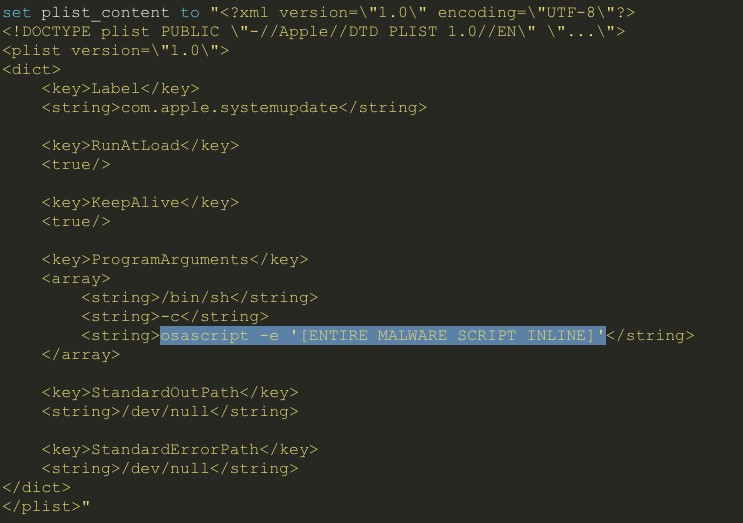
The initial infection leveraged a click-fix style command that decodes a hidden URL. The helper binary holds two heavily obfuscated AppleScripts with hundreds of variables. It checks for sandbox words like QEMU or VMware and exits if found. If it runs on a real device, it pushes forward with the theft routine.
Odyssey Stealer on Mac
Censys research describes Odyssey Stealer as a macOS info stealer built for crypto wallets. It runs on a malware-as-a-service affiliate model. This makes it easy for attackers to target legit crypto wallets on Mac platforms. Details are slim, but the trend is clear: Mac users are not off the hook.
I urge you to keep your guard up even on a shiny laptop. The affiliate model means more people can launch the stealer without deep skill. That widens the pool of threats facing ordinary users. A simple update habit and a watchful eye go a long way.
Defense for NuGet packages
Developers must scrutinize open-source packages before integration. Key checks include package age, download velocity, and publisher reputation. Code inspection helps reveal obfuscated sections or odd network calls. Tools like Spectra Assure Community can flag risky packages quickly.
Checks for package trust
ReversingLabs threat-hunting policies can detect files that match an infostealer profile. An alert should make a developer stop and run a manual review. I like the idea of a quick flag before a bad package enters a build. It saves end users of legit crypto wallets from a silent hit.
Chrome user best practices
Chrome users should install only the minimum extensions and get them from the official store. Review recent feedback and the developer’s track record. Examine permissions under Settings to ensure they match the extension’s purpose. A dedicated browser profile for crypto operations limits exposure.
Steps for safer Chrome use
- Install few extensions, and only from the official Chrome Web Store.
- Read user feedback and inspect developer reputation and update frequency.
- Check requested permissions and confirm they align with the extension’s job.
- Make a separate browser profile just for cryptocurrency activities.
Google acted fast to remove the bad extensions once reports landed. Still, the user must own some caution. If an extension asks for rights that seem odd for a wallet, deny it. A clone of a decentralized wallet for crypto may beg for read-all-data access - that is too much.
Android safety steps
Android users should install apps only from official stores like Google Play. Validate developer identity, download counts, and user feedback. Limit permissions, especially accessibility, SMS, and camera. An up-to-date anti-malware app like Malwarebytes for Android helps catch Albiriox.
Android protection list
- Install apps solely from official app stores and verify the developer name.
- Scrutinize permission requests for accessibility or SMS access.
- Deploy reputable anti-malware such as Malwarebytes for Android.
- Enable multi-factor authentication with app-based or hardware tokens.
Set up account alerts for new payees, large transfers, or logins from odd devices. Keep the OS and all banking or crypto apps fresh with patches. A fake wallet app often requests accessibility right after opening. That single request is your cue to delete it fast.
Mac caution tips
Mac users must treat unexpected “System Helper Installation” dialogs with caution. Review installed LaunchAgents and remove unknown entries. Use reputable security tools to detect known malicious files. Keep macOS and all crypto apps updated with security patches.
Mac hygiene for wallet safety
- Never enter passwords into fake system helper dialogs unless verified.
- Check LaunchAgents for com.apple.systemupdate or com.apple.mdworker.
- Use Objective-See tools or Malwarebytes to scan for known stealers.
- Update macOS and crypto apps regularly to close security holes.
The stealer wrote a plist that mimicked a legitimate Spotlight process to run on every login. If you see a strange agent with those labels, purge it. I suggest a monthly look at your LaunchAgents folder. It takes five minutes and could save your seed phrases.
Why vigilance is no longer optional
The threat to legit crypto wallets spans NuGet, Chrome, Android, and macOS. Attackers exploit trust in official repositories to deliver malware that steals keys and intercepts transactions. The small steps above keep your funds beyond their reach. I urge you to slow down and verify before you click.
Someone might ask which crypto wallet is truly the best , and the answer is the one you control with care. A decentralized wallet for crypto still needs you to avoid fake clones. The best way to keep crypto safe is layered checks and calm habits. No single tool fixes the human side of this fight.
Final note on finding real tools
If you live in the States and hunt for the best crypto wallet in the USA , stick to known sources. Also KuCoin wallets and similar brand tools should be fetched from the vendor site. And if you wonder what a crypto wallet even is , it is a tool that holds your keys - so protect those keys like cash. My notes end here, but the watch never stops.
Legit crypto wallets only stay legit if we refuse the fakes. I will keep reading the threat reports and updating my own habits. You should too. The bad actors are patient, so we must be louder with our caution. Stay safe out there.
Comments on “How attackers mimic legit crypto wallets and drain your funds”
No comments yet. Be the first to share your thoughts.