- CoinRabbit - hybrid wallet with no seed phrase and built in swaps
- Zengo - uses phone security instead of seed phrase
- Trust Wallet - mobile app with many tokens and NFT support
- MetaMask - web3 wallet for Ethereum and DeFi
- Trezor Model One - cheap hardware wallet for offline keys
- Ledger Nano Flex - premium cold wallet with broad support
How to Figure Out What Crypto Wallet Is the Best for Your Needs
23 September, 2026
0 comments
What Crypto Wallet Is the Best for You
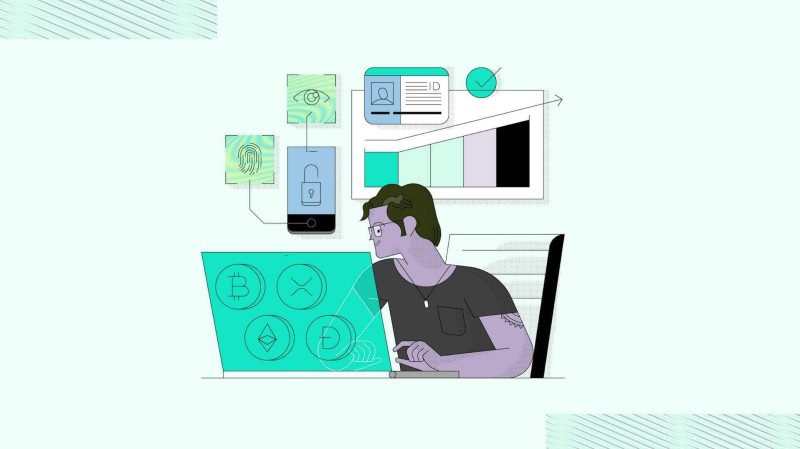
If you’ve ever asked which crypto wallet is the best , you’re in good company. I remember staring at long review sites and feeling lost. This is my plain breakdown of the top picks for beginners, active traders, and travelers. I keep it simple so you can pick a wallet for your cryptocurrency that feels safe and easy to use.
The question at the heart of this piece is what crypto wallet is the best, and I’ll say it plainly up front: there is no single answer for everyone. Your needs decide it. Someone who holds a little Bitcoin and forgets about it wants something different from a day trader or a traveler on a plane. I’ll walk through real options drawn from the source material, with pros and cons. No hype - just facts.

One thing I appreciate is when a wallet drops the seed phrase entirely. That alone removes a huge source of fear for new users. More on that later. For now, understand that the best pick depends on how you actually behave with your coins. I’m writing this as one regular person, not a brand, so take it as a friend’s notes.
If you’re in the US, you might search for the best crypto wallet in the USA because local trust matters to you. The wallets I list work perfectly well there, even if the teams sit abroad. A US-based crypto wallet isn’t required for safety, but I understand the wish for nearby support.
What Is the Crypto Wallet
Before we choose, let’s answer what a crypto wallet actually is in plain words. A crypto wallet is a digital tool that holds the keys you need to move your coins. It doesn’t store the crypto itself. Think of it like a key ring, not a safe with cash inside.
They come in many shapes. Some are apps on your phone. Some are bits of paper. Some are small hardware boxes. The key idea is who holds the private key. If you hold it, it’s self-custodial. If a company holds it, it’s custodial. I care about this because it changes who can lock you out.
The source says a wallet never holds the coin, only the right to spend it. That sounds odd, but it’s true. Your Bitcoin lives on the chain. The wallet simply proves it’s yours. This is why losing keys equals losing money - no bank can help.
Best Wallets for Beginners
The source lists several best crypto wallets for folks just starting out. CoinRabbit, Zengo, Trust Wallet, MetaMask, Trezor Model One, and Ledger Nano Flex show up as top picks. I’ll take a quick look at each, then dig into details. All of these aim to cut friction for new users.
Beginner wallet short list
That’s a lot to take in. I suggest you match one to your comfort with tech. If you hate writing down words, skip seed-phrase types. If you want cheap cold storage, Trezor is fine. The point is to start small and learn.
Don’t feel you must pick the most costly box. A free app can teach you the ropes. Later you can move to hardware. I did that, and it saved me stress.
CoinRabbit for Simple Start
CoinRabbit is what’s called a hybrid crypto wallet. It lets you store, manage, and grow crypto from day one. Unlike many wallets that only send and receive, it also offers fast swaps and crypto loans with no credit check. I think that’s a neat bundle for someone new.
CoinRabbit advantages
- No seed phrase needed, less risk at setup
- Simple interface good for beginners
- Combines storage, exchange, and lending in one place
- Supports BTC, ETH, USDT, and 300 plus other assets
- No need for third party exchanges for basic use
CoinRabbit limitations
- Not built for active trading or DeFi
- Lacks deep portfolio tracking tools
- Fewer on chain features than some rivals
So if you just want to hold and maybe borrow against your coins, this is a calm choice. It won’t replace a trader setup, though. The source notes it is not for active trading or DeFi, so keep that in mind.
I like that you don’t juggle five apps. One place for storage, swap, and loan is a win for focus. But watch out if you need fancy charts - it lacks those.
Zengo Without Seed Phrase
Zengo takes a different road to safety. It drops the seed phrase fully. Instead, it uses multi-party computation to keep keys safe. That makes it nearly impossible to lose access by misplacing a paper slip. I like the idea for folks who fear losing things.
Zengo advantages
- No private keys to memorize or hide
- Smooth onboarding and easy mobile app
- Biometric lock and 24/7 live chat support
Zengo limitations
- Supports fewer blockchains than most wallets
- In app swaps come with high fees
Heads up: the swap fees can bite if you move large amounts. But for safekeeping, it’s a solid safest and easiest crypto wallet for many. The chat support is a rare plus in this space.
If you only hold a few coins and want a phone lock to guard them, Zengo fits. Just don’t expect to trade obscure tokens there.
Trust Wallet and MetaMask for Mobile
Trust Wallet is a mobile-first wallet owned by Binance but still non-custodial. It supports thousands of tokens across many chains. If you want a wallet for Binance style without giving up your keys, this fits. It has NFT support and an in-app swap tool.
Trust Wallet advantages
- Works on any smartphone with clean layout
- NFT support built in for Ethereum and BNB Chain
- In app DEX for instant swaps
- Compatible with most DeFi platforms
Trust Wallet limitations
- No live customer support
- Limited custom gas settings
MetaMask is another mobile and browser wallet. It’s big for Ethereum and DeFi. You can link to thousands of dApps. The catch: it doesn’t support Bitcoin or Solana, and network setup can confuse at first. But for Ethereum beginners, it’s a must-have tool.
If you’re starting out with Ethereum or plan to explore DeFi, MetaMask is a must-have - just be ready to learn a bit along the way.
I use MetaMask for testing dApps. It’s not pretty at first, but you grow into it. The source says it is simple enough for beginners yet powerful enough to grow. That matches my take.
Hardware Wallets for Cold Storage
For offline safety, Trezor Model One and Ledger Nano Flex are top beginner hardware picks. Trezor Model One keeps keys fully offline and costs less. Ledger Nano Flex is premium with an E Ink screen and NFC. Both keep keys off the net, which I see as the best guard against hacks.
Trezor Model One advantages
- Keeps private keys completely offline
- PIN and passphrase protection
- Works with desktop wallets via Trezor Suite
Trezor Model One limitations
- Doesn't support Solana, Cardano, or newer Layer 1s
- Requires physical connection to use
Ledger Nano Flex supports over 5,500 assets. It has a secure chip and wireless talk. The downside is price and you need the Ledger Live app. If you have serious holdings and want broad support, it’s a strong cold wallet.
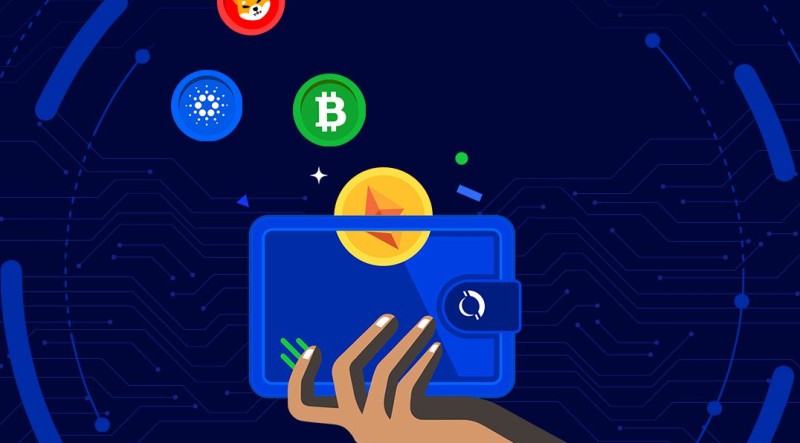
Hardware feels odd at first, like using a USB stick from the old days. But the peace of mind is real. I tell friends: if you hold more than a paycheck in crypto, get a box.
What Makes the Safest and Easiest Crypto Wallet
When we talk about the safest and easiest crypto wallet , a few things matter more than a long feature list. Ease of use comes first. Clear buttons and no jargon help. If you can send crypto in under a minute, you’re good.
What beginners should look for
- Ease of use - intuitive layout and few settings
- All in one function - store, swap, borrow in one app
- Flexible access - biometrics or email recovery cut errors
- Basic asset support - BTC, ETH, stablecoins at least
- Clear fees - no surprise costs at send time
I wouldn’t sweat supporting every meme coin. But your wallet should handle the big names and show fees before you hit send. That alone saves headaches. The source says transparent terms around swaps and loans are essential, and I agree.
Another point: flexible access. Not everyone wants to guard a seed phrase. Wallets that use biometric login or email recovery lower user error. That’s a quiet win for safety.
Common Pitfalls to Avoid
New users trip on the same stones. I want to flag these so you don’t lose funds. The source gives a clear list. Hey, don’t skip this part if you’re new.
Common beginner mistakes
- Treating crypto like a bank account - no hotline for lost passwords
- Skipping basic security settings like 2FA or biometrics
- Jumping into risky tokens or DeFi too soon
- Overusing in app swaps without checking rates
Crypto wallets don’t have customer service hotlines for lost passwords. Always review what recovery options your platform offers, and test them.
Test your recovery. Seriously. Move a small sum and try to restore on another device if the wallet allows. Better to learn with ten bucks than your life savings. I can’t stress this enough.
Also, random sites that ask to connect your wallet are trouble. Stick to major coins until you get the chain. Don’t chase unknown tokens just because they popped up.
Steps After You Set Up
So you picked one of the best crypto wallets for beginners. Now what? I have a few simple steps from the source that build confidence fast.
What to do after setup
- Send a test transaction of around $10 to learn the feel
- Bookmark official pages to avoid fake sites
- Read one blog post per week from wallet teams
- Set a simple rule like max $100 on hot wallet
That last rule is my favorite. Keep small, cash-like funds on your phone, push big savings to hardware. It’s a calm way to sleep at night. The source suggests never storing more than a set amount on a hot wallet until ready.
Reading a post a week sounds like homework, but it builds skill. Wallet teams like CoinRabbit and MetaMask post tips. A little learning goes far in this space.
Travel Crypto Wallets
If you travel, your needs shift. The ideal travel crypto wallet is small, works without cables, and doesn’t scream “crypto” if your phone gets stolen. Tangem hardware wallets meet this. They are card-like, can hide in a travel doc, and support BTC, ETH, Solana, XRP, Tether and more.
Travel wallet criteria
- Inconspicuous look, no crypto labels
- Works without cables or plugs
- Does not lose all if phone is stolen
- Multi chain support in slim form
I like the card idea. It slips next to a passport and stays offline. For a person on the move, that beats a bulky device. The source says it can be kept hidden or embedded in a travel document, which is smart.
If you cross borders, don’t put all keys in one phone. A slim card backup means a lost phone is not a lost fortune. That’s a simple guard I’d use.
Multi-Chain Wallets
Multi-chain wallets let you hold BTC, ETH, Solana, Cardano, TRON, Polkadot, and over 16,000 tokens in one view. They simplify life if you hold diverse coins. You can swap and check balances without jumping apps. This is a decentralized wallet for crypto style for broad holdings.
The source notes these wallets cut friction for users with many assets. If you’re the type who buys a bit of everything, a multi-chain pick saves time. Just check the fee structure before big moves. Some built-in swaps cost more than separate exchanges.
I see multi-chain as a dashboard for your coins. It won’t make you safe by itself, but it keeps your view clear. Pair it with cold storage for long term and you’re set.
Hot and Cold Wallet Security
Let’s talk security plain. Cold wallets store keys offline. They can be paper or hardware. They block net threats but are clumsy for daily use. Hot wallets keep keys online for fast trades. They suit small, cash-like holdings. I use both, like most careful folks.
Cold wallets store your keys offline: they can be as simple as a seed phrase written on paper or as complex as a hardware device with multiple encryption layers.
Self-custodial means you hold keys. Custodial means a third party like an exchange holds them. Self-custody gives autonomy. Custodial gives ease but trust is needed. A mix often works best: hardware for savings, hot for spend.
The source says combining cold and hot balances convenience and safety. Use hardware for big long-term holds, hot for daily. Backup seed phrases and extra hardware copies help if one device breaks. I do this, and it feels right.
Smart Wallets and New Features
Since 2020, smart self-custodial wallets have gained traction. They use account abstraction on Ethereum and multi-party computation. Features include social recovery, multi-signature, time-locked trades, and spending limits. These make wallets tougher against threats while keeping your control.
Smart wallet features
- Social recovery of lost access
- Multi signature authorization for extra sign off
- Time locked transactions to delay sends
- Programmable spending limits per day
I think these are good for people who want safety nets. If you fear losing a seed phrase, a smart wallet with social recovery is worth a look. The source says these tools preserve user autonomy while adding resilience.
Gas fee abstraction is another trick, meaning the app can pay network fees in other tokens. That lowers confusion for new users. Slowly, wallets get smarter, not just colder.
Best Crypto Wallet for Active Traders
Active traders need more than storage. The source says the best crypto wallet for active traders is a mobile trading workspace. FlipX is named as a fit. It bundles swaps, market discovery, perps, prediction markets, copy trading, vaults, and rewards in one app.
What active traders need
- Fast token swaps across chains
- Multi chain balance view
- Price tracking and market context
- Perps access for long short bets
- Prediction markets and copy trading
- Vault comparison and rewards
Normal wallets force you into separate apps for each task. That slows you down. A trader wallet puts all near your thumb. If you trade a lot, this type beats a plain vault. The source warns that extra apps add friction and missed chances.
The best crypto wallet for active traders is a mobile trading app, not just a token vault.
FlipX is built for that role. Example flow: check price, swap, trade perp, enter prediction market, copy a trader, track all in one. That’s the gap between storage and trading. If you only hold long term, you don’t need this.
General Wallet Types
Let’s list the broad types so you see the map. Software wallets install on a computer. Online wallets are cloud-based. Mobile wallets are phone apps. Hardware wallets are physical offline devices. Paper wallets are printed keys. Each has pros and cons for safety and ease.
General wallet categories
- Software wallet - easy access, risk if device lost, e.g. Electrum, Exodus
- Online wallet - cloud based, relies on host, e.g. attached to exchanges
- Mobile wallet - quick pay on go, e.g. phone apps
- Hardware wallet - offline keys, secure but small, e.g. Trezor, Ledger
- Paper wallet - printed keys, safe from net but prone to damage
A US-based crypto wallet might be online or mobile, but the type matters more than location for safety. I mention this because some readers ask for the best crypto wallet in the USA due to local trust. The picks above are global but work fine in the US.
Paper wallets sound old but they are pure cold storage. Print keys, keep dry and safe. No chip to fail. But a fire or flood ends it, so special storage helps for large sums.
Historical Wallets From 2020
Looking back, some wallets stood out in 2020. This is past info, not a current rank. Copay from Bitpay was open source and used shared accounts. Blockchain Wallet had two-factor and multi-sig. Bitcoin Core was the full node wallet. Breadwallet was simple iPhone-first. Green Address added hardware wallet mode. Trezor and Ledger Nano were top hardware then too.
Notable 2020 wallets
- Copay - open source, two signatory shared account
- Blockchain Wallet - established, HD model, two factor
- Bitcoin Core - official full node, very secure but slow
- Breadwallet - easy install, reputable Zurich based
- Green Address - HD, two factor, acts as hardware
- Trezor and Ledger Nano - known hardware offline
I include this as a note that good tools have been around a while. It’s not a fresh list, just a glimpse of where things were. The source kept these as examples of software and hardware from that time.
If you find an old device or app from that era, it may still work. But check support status before moving funds. Tech ages, even in crypto.
How to Get Your Own Crypto Wallet
If you’re still wondering how to get your own crypto wallet , the path is simple. Pick a type from above. Go to the official site or app store. Download or buy device. Write or secure any recovery as told. Then send a tiny test amount. That’s it.
I suggest you start with a free software or mobile wallet if funds are small. Move to hardware when savings grow. And never trust a link from a random DM. Bookmark the real page. The source says bookmark official pages to avoid phishing later - solid advice.
You don’t need permission or a bank. That’s the point of self-custody. But with that freedom comes the job of keeping your own keys safe. I find that fair.
My Take on Picking a Wallet
For me, the answer to what crypto wallet is the best is personal. I lean toward a no-seed-phrase app for daily small use, and a cheap hardware box for savings. That mix keeps my sleep calm. You might prefer a multi-chain mobile if you trade alt coins.
Read the pros and cons I listed. Match them to how you act. Don’t grab a wallet just because a brand is loud. The which crypto wallet is the best question only answers itself when you know your own habits. That’s the whole point of this post.
I hope my plain notes help you choose. No one wallet wins for all. The best is the one that fits your life and keeps your coins within reach but out of harm. Stay safe out there.
Comments on “How to Figure Out What Crypto Wallet Is the Best for Your Needs”
No comments yet. Be the first to share your thoughts.