How to Choose Among Popular Crypto Trading Platforms Without the Overwhelm

What Are Popular Crypto Trading Platforms
When I first looked at crypto, the number of places to trade felt dizzying. At its core, a crypto trading platform is simply software or an app that lets you buy, sell, and trade digital coins. Some call them exchanges. The phrase we keep returning to is popular crypto trading platforms, and my aim here is to help you find one that fits your particular style. If you want a gentle start, you might look for the best crypto trading platforms that match your needs.
An exchange is a website where you trade coins, usually paying a small fee per transaction. A platform can be broader, offering tools to manage your portfolio. Coinbase, for instance, is both an exchange and a wallet. The crypto market runs every hour of every day, with no closing bell. That relentless, around-the-clock access is a large part of why these platforms became so popular.
Trading is simple at its core: buy low, sell high. But the setup differs from stocks. Prices emerge from order books where buy and sell orders meet. Market makers keep things liquid by placing orders without pause. Low liquidity can cause slippage, so I always check that before choosing a spot.
Crypto exchanges use those order books to match buyers and sellers. When you place a buy order, it meets a sell order at the agreed price. That continuous interaction sets the current market price. Because exchanges operate independently worldwide, prices can differ slightly between them. That creates arbitrage opportunities, but I wouldn’t chase those as a beginner.
Exchanges Versus Trading Platforms
People mix up the words exchange and platform often. I once thought they were the same. An exchange gives you a place to swap one crypto for another or for fiat. A platform may offer more: charts, bots, portfolio tracking. Many big names do both. When you ask what is the most reliable crypto exchange , you are usually looking at both sides.
Quick differences I noticed
- Exchange: direct buy and sell of coins like Bitcoin or Ethereum.
- Platform: adds tools for managing trades and portfolios.
- Some brands, like Coinbase, are both exchange and wallet.
- Traders seeking advanced moves use platforms with leverage and shorts.
Both types let you enter the market. But the extra tools on a platform can help if you trade often. Still, more tools can mean more to learn. I say start small. A plain exchange that lets you own coins is enough for many people.
The terms get used interchangeably in articles, but the source draws a line: an exchange is a digital marketplace to buy and sell; a trading platform offers advanced tools for speculation without necessarily owning coins. Many platforms also function as exchanges. It’s a blurry line, but knowing it helps you pick.
Traditional Versus Crypto Trading
I come from a world of stock brokers, so the shift to crypto felt odd. Traditional platforms like E*TRADE or Fidelity have been around for ages. They are tied to banks and rules. Crypto platforms are online spots to trade digital money without those middlemen. That cuts cost and speeds things up.
Side by side features
- Market hours: traditional limited, crypto runs 24/7.
- Global reach: traditional often region locked, crypto is global.
- Transaction speed: traditional moderate, crypto fast.
- Regulation: traditional highly regulated, crypto less so.
- Privacy: traditional varies, crypto tends higher.
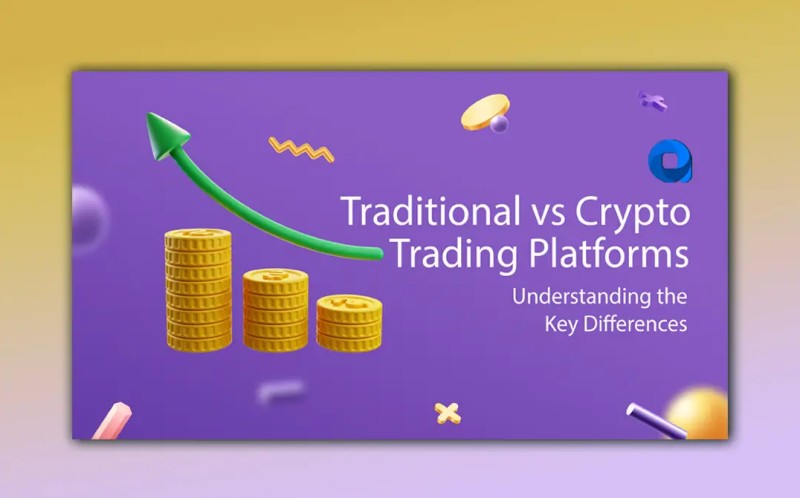
Traditional spots give insurance and support. Crypto puts security in your hands. That means you must learn about wallet keys and hacks. It is a trade-off I respect but won’t ignore. Traditional trading involves stocks, bonds, mutual funds, ETFs. Crypto is just digital currencies, though some newer plans blend them.
In traditional trades, banks or brokers sit in the middle and can slow things. Crypto exchanges, especially decentralized ones, remove that middleman. You manage your own account and custody. But with that control comes the job of securing your private keys. Compared to banks, crypto places more weight on user-led safety.
Crypto platforms require users to understand wallet security, private key management, and risks of hacking.
Market Hours And Access
One thing I love about crypto is that it never sleeps. The market stays open every hour of every day. Traditional trading shuts on weekends and holidays. This non-stop access helped make crypto exchange platforms popular among global traders.
If you work a day job, night trading might suit you. You don’t wait for a bell. Just open the app and go. That said, the always-on nature can tempt you to overtrade. I keep a rule: step away sometimes. The crypto market’s open door is a feature, not a mandate to stare at charts.
Global reach is another point. Traditional platforms are often region-specific due to local laws. Crypto platforms let a person in one country trade with another halfway around the world. That broad access is part of why many seek the best website to trade crypto with few border limits.
Spot Trading Basics
Spot trading is the plain form of crypto trade. You buy a coin and own it right away. That means 1 BTC is yours on the Bitcoin chain. You can move it to a private wallet. No borrowed money, so you can’t get liquidated beyond what you put in.
Where to do spot trades
- Centralized exchanges (CEXs) like Coinbase hold your coins and do KYC.
- Decentralized exchanges (DEXs) use smart contracts and no KYC.
- Over-the-counter (OTC) desks for large private blocks.
- Peer-to-peer (P2P) platforms with escrow for direct swaps.
Spot is simple and good for new folks. But it has a bullish bias: you only gain if price goes up. There are no easy ways to bet on a drop unless you use derivatives. Still, for learning how do i trade crypto , spot is where I’d start. You use only cash or crypto in your account, which caps loss at the amount invested.
Mechanics vary by platform. Usually you submit an order at market price, the exchange matches you with a counterparty, and settles by moving coins and cash. DEXs and P2P skip the intermediary and move between self-custodial wallets. Either way, spot buyers get the actual coin in their account right after the trade.
Spot buyers always receive actual cryptocurrency in accounts immediately after transaction.
Derivatives And Options Trading
Derivatives are contracts that follow coin prices without owning the coin. Futures, perpetuals, and options fall here. They often use leverage, which means borrowing funds to amplify a trade. That can boost gains but also wipe you out fast.
Options give you the right, not the duty, to buy or sell at a set price before a date. A call option is a bet up, a put is a bet down. The max loss on a buy side is just the premium paid. That is a kinder risk profile than margin. With options, you can gain leverage without risk of liquidation, unlike futures where a swing can end you.
Here is a plain example. Say a Bitcoin call option has strike price 100,000 dollars. You pay 2,000 dollars premium to the seller. If Bitcoin goes well above 100k at expiry, your payoff can beat three to four times the premium. If it stays low, you lose only the 2,000. The seller keeps the premium but faces big upside risk. A put example: strike 80,000, premium 1,400, you bet on drop; if it falls hard you gain, if not you lose the premium.
With options, maximum loss limited to premium paid.
Why trade options? You can get exposure to Bitcoin with just a fraction of spot cost. Puts hedge a portfolio. Spreads and condors add tactics. You can profit from volatility and time decay, not just direction. It’s advanced, so paper trade first.
A List Of Popular Crypto Trading Platforms You Might Use
To keep things clear, I pulled a list of crypto trading platforms from my reading. This is not every name, but it covers the common ones. You can also look for the largest crypto trading platforms by user count if size matters to you. The names below show the range from simple to pro.
Common names in the space
- Coinbase: old, regulated, easy for new users, high fees if not Pro.
- Binance: low fees, global, many altcoins, advanced UI.
- Kucoin: low fees, 100+ coins, own token for discounts.
- Gemini: SEC regulated per source, security focus, varied skill levels.
- Kraken: old, huge coin list incl Dogecoin, margin and futures.
- Bitfinex: pro tools, sub-accounts, not for beginners.
- eToro: practice accounts, easy, fewer coins.
- BlockFi: earn interest, loans, longer withdrawals.
- Bisq: decentralized, private, slow volume.
- Pionex: bots, 2019 start, multi-currency wallet.
- CoinSmart: low fees, margin, small liquidity.
- Coinmama: US focus, no deposit fees, simple buy.
- Cash App: buy BTC ETH LTC XRP USDT with debit.
- Robinhood: stocks and crypto, no trade fee, beginner.
- Altrady: tool layer across exchanges, paper trading free.
- Tradetron: automation across exchanges, strategies.
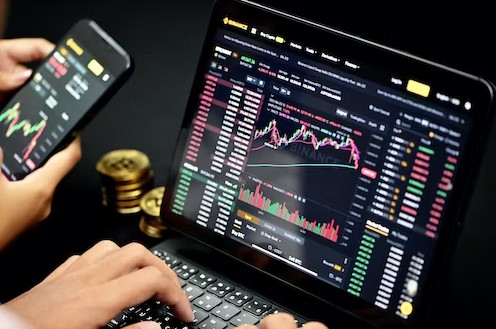
That is a thick set of choices. When I browse best crypto exchange sites , I weigh fees, coins, and ease. You should too. Some are centralized with company oversight; some are decentralized with user control. The fit depends on your comfort with tech and risk.
Newer names like Pionex launched in 2019, while eToro goes back to 2010. Coinbase started soon after Bitcoin began in 2009. History doesn’t equal safety, but it shows staying power. I like knowing a platform has survived past cycles.
Coinbase And Gemini For Beginners
If you are just starting, Coinbase and Gemini get recommended a lot. Coinbase began soon after Bitcoin launched in 2009, so it has history. It is licensed in at least 40 US states and lets you buy with USD. The interface is clean. But normal fees are about 1% unless you use Coinbase Pro. And they hold your keys.
Coinbase has over 20 million users worldwide and is seen as the easiest place to buy bitcoin due to simple signup. You can earn token rewards by doing activities. It supports Ethereum and Litecoin too. The downside is you don’t control wallet keys, which matters if you value self-custody.
Gemini also focuses on security and per one source is regulated by the SEC. It has options for different skill levels. Some say it only needs email to open, others say ID check; source had both statements. I’d plan for KYC anyway. Fees include a convenience charge. For a best us crypto trading platform , these two are safe bets for newbies.
Gemini was founded in the US and expanded to Europe and Asia. It offers instant purchases and free transactions in some cases. It’s available in over 40 countries. The conflict on ID check is odd, but regulated exchanges usually ask for KYC, so be ready.
Binance Kraken And Kucoin For More Coins
Want low fees and lots of altcoins? Binance, Kraken, and Kucoin stand out. Binance runs in over 140 countries, has its own BNB token to cut fees, and charges very low rates. It suits advanced users; new folks may get lost. Kraken is one of the oldest, offers margin, futures, staking, and even Dogecoin. Kucoin is newer but has 0.05% fees and over 100 coins. Its token gives discounts.
Binance supports many payment methods and has a mobile app. It specializes in altcoin trading. But it’s not available in some US states like New York. Kraken is based in San Francisco, accepts bank and card payments, and boasts high security. Kucoin has Kucoin Shares that pay out part of fees. These are among the best website to trade crypto if you want variety.
Just note Binance started as binance.org then became Binance.com; it’s one of the largest exchanges by volume. Kraken predates Coinbase per some sources and offers advanced charting. Kucoin charges 0.05% on all trades and lists lesser-known coins. If you want a broad menu, these three deliver.
Decentralized And Private Choices
Not everyone wants a company holding their coins. Bisq is fully peer-to-peer, you control keys, no oversight. Trades can be slow and low volume, not for active day trading. DEXs like Uniswap use liquidity pools and smart contracts, no KYC. But you lose insurance and face hack risk.
On an AMM DEX, users fund pools and earn fees. You connect a self-custodial wallet and trade direct. No counter-party risk from a platform, but smart contract bugs are real. If privacy is your top need, you might ask crypto exchange best for anonymity. The answer is often a DEX or Bisq. I like them for self-custody, but the learning curve is real.
P2P platforms also let wallet-to-wallet transfers with escrow. They give payment flexibility but can be slow and scam-prone. OTC desks handle large blocks privately for whales. All these show the range inside popular crypto trading platforms beyond the big centralized names.
Automated And Bot Trading Tools
I don’t sit at screens all day, so bots appeal to me. Automated apps let you set rules and walk away. They can scale accounts and save some fees. Altrady and Tradetron are layers that sit on top of exchanges. Altrady has free paper trading and smart bots. Tradetron does strategy automation across venues.
Even with bots, you must manage risk. Pionex, Bybit, and others have built-in bots too. When I check best crypto trading sites for automation, I look for demo modes first. A bot is only as good as the rules you set. Bad rules still lose money.
Automation perks I see
- No need to be present for trade execution.
- Set rules based on market conditions.
- Scale portfolio by adding accounts.
- Save on some exchange fees.
Tradetron offers dollar-cost averaging, grid trading, trend following, and mean reversion. It runs non-stop which suits 24/7 markets. Altrady links to many exchanges and gives a grid bot, DCA bot, and portfolio manager. These tools help but don’t replace learning the basics.
Crypto Options Platforms Bybit Deribit Okx
For options, three names pop up: Bybit, Deribit, OKX. Bybit has demo trading and low fees starting 0.02%. It allows no KYC for basic use with limits. Deribit is a pioneer for Bitcoin options, with testnet and pro tools like Greeks. OKX has European-style options, deep liquidity, and maker fees 0.02%.
These are not the same as spot exchanges, but they are part of the popular crypto trading platforms family. If you want to hedge a portfolio, puts are handy. Call options let you bet up with limited loss. Bybit covers BTC, ETH, SOL options. Deribit focuses on BTC and ETH. OKX supports BTC and ETH with demo mode.
Bitcoin options trading tips: Use demo trading accounts on platforms like Bybit, Deribit, OKX to gain experience risk-free.
Why trade crypto options? Leverage with fraction of spot capital. Hedge downside with puts. Use spreads and covered calls. Profit from volatility and time decay. It’s a step up from simple buy and hold, so learn pricing drivers: volatility, time, direction.
Things To Check Before You Pick
Before you fund an account, I’d weigh a few things. Fees, coin choice, regulation, and your skill level. New users: Coinbase, Gemini, eToro. Low fee seekers: Binance, Kucoin. Feature hunters: Kraken, Kucoin. And never forget volatility. Crypto prices swing hard.
My quick check list
- Is the platform licensed in your area? (Coinbase 40+ US states, Binance fewer)
- What coins do you want? (Kucoin 100+, BlockFi only six)
- Do you need margin, futures, or options?
- Will you use a demo or paper trade to learn?
- Who holds the keys? CEX holds, DEX you hold.
Diversify and only use money you can lose. That’s plain advice but it matters. The best crypto trading platforms for me may not be for you. Fit is personal. Demo accounts are gold: eToro free demo, Bybit demo, Deribit testnet, OKX demo, Altrady paper, Tradetron paper.
If you want a best crypto trading sites shortlist, start with user-friendly and regulated, then expand. Don’t rush. Read the fee schedule. Check if they had hacks. A calm look beats FOMO every time.
My Plain Take On Risks And Safety
I care about this topic because I’ve seen folks lose money to hype. Crypto is volatile and less regulated. Traditional platforms have insurance; many crypto spots do not. You must learn wallet security. If you use a DEX, you are your own bank. That’s freedom and burden.
Crypto markets operate in a decentralized, 24/7 environment that never sleeps, without market closures that characterize traditional financial markets.
NYSE has outlined a plan for a 24/7 tokenized stock platform with blockchain settlement, but that’s separate from crypto exchanges. For now, stick to known names and demo accounts. And remember, the what is the most reliable crypto exchange question has no single answer. It depends on your needs and region.
Both traditional and crypto trading platforms have value. Traditional bring structure and support. Crypto bring speed and global access. Understand tools, risks, rewards before funding. That’s my calm view on popular crypto trading platforms. The best crypto exchange sites are the ones you understand and trust with your money.


Comments on “How to Choose Among Popular Crypto Trading Platforms Without the Overwhelm”
No comments yet. Be the first to share your thoughts.