
What Does Blockchain Mean, and How It Actually Works
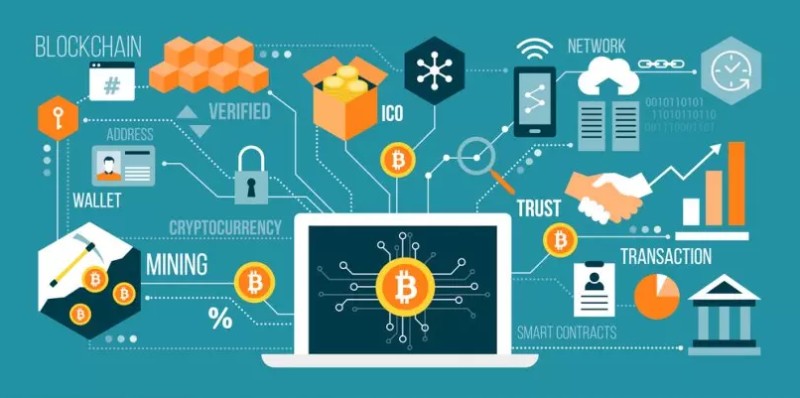
What Blockchain Really Means
I used to think blockchain was just for Bitcoin. Lately, though, the word seems to be everywhere. So what does blockchain really mean for everyday life? At its core, it’s a digital ledger that records information in a chain of blocks. Instead of sitting in one central place, that ledger is shared across countless computers. That simple shift lets people track things without needing a boss in the middle.
When I first heard the phrase, I figured it was just another tech buzzword. The concept became famous with Bitcoin, but the technology reaches far beyond it. It’s a way of keeping records that are remarkably hard to alter after the fact. That matters for money, supply chains, and a great deal more. I’ll walk you through the basics in plain talk so you can see what does blockchain actually do.
The Basic Idea of a Distributed Ledger
A blockchain is one flavor of distributed ledger technology. In plain terms, that means every participant on the network holds a copy of the same record. They use consensus to keep all those copies in sync. No single entity calls the shots. It’s a radical departure from a bank, where one company keeps the books.
Picture a shared document that thousands of people hold at once. Except this one is secured by mathematics, not a forgettable password. Once something is written, it stays there for good. The system is built to be transparent and verifiable. I find that rather beautiful for cutting out the middlemen who usually take their cut.

These ledgers get deployed in two main ways. One is public, where anyone can join. The other is private, where a chosen group controls access. Both rely on the same core idea of linking blocks. The difference simply changes who gets to read or write the data.
How Blocks Chain Together
Each block carries a list of transactions and a header. That header includes the hash of the previous block. A hash is just a short code produced by a mathematical function. Change a single bit of data, and the hash changes completely. That’s precisely how the blocks chain up.
Because every block points to the one before it, tampering snaps the link. To alter a record, you’d have to redo every block that follows. On a large network, that’s practically impossible. So the ledger remains immutable - a fancy word for “can’t be changed.” That makes the history of any asset permanently auditable.
Public Key Cryptography and Signing
Every user holds a private key and a public key. The private one stays secret; the public one is shared. When you send a transaction, you sign it with your private key. Others verify that signature using your public key. This proves you owned the funds and can’t later deny it.
It’s like signing a check with a unique mark that only you can make. The network can verify the mark without ever seeing your secret. This is a core part of how blockchain works in cryptocurrency . The signing keeps things safe without a bank. Every participant learns to trust the math instead of a clerk.
Mining and Validation Work
Some networks use proof-of-work to add blocks. Miners race to solve a brutal math puzzle. The first to crack it broadcasts the answer. They earn a reward of new coins and fees. It’s what Bitcoin miners spend their days doing.
It burns a staggering amount of electricity, though. Reports note Bitcoin uses roughly 62 TWh a year - about as much as an entire country. Even so, it’s a proven way to keep a network honest. I’m no fan of the waste, but it works. The puzzle makes rewriting history cost far more than it could ever pay.
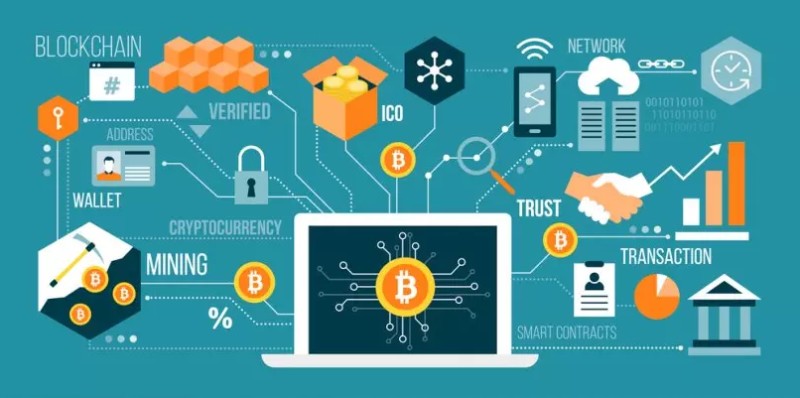
Full nodes store the entire chain and check new blocks against the rules. They pass valid blocks along to peers. This spread of copies is exactly what makes the system resilient. No single node can lie and get away with it for long.
Proof of Stake and Other Consensus
Newer systems use proof-of-stake. Validators lock up tokens as a stake. The protocol picks one to propose a block based on the size of that stake. They earn rewards, but lose stake if they cheat. It uses far less power.
There are also delegated models where token holders vote for validators. These balance speed with decentralization. The exact method matters for performance and security. But the goal is always the same: agree on one truth. Consensus algorithms define the rules for reaching agreement and stopping double spends.
Common Consensus Types
- Proof-of-Work - solve a puzzle, used by Bitcoin
- Proof-of-Stake - lock tokens, used by Ethereum
- Delegated PoS - vote for validators, used by Polkadot
- Consortium models - shared by groups of firms
Why Decentralization Matters
No single authority can block or alter transactions. That builds resilience against censorship. It also removes single points of failure. If one node goes down, the network simply keeps running. I like the idea of not having to rely on one giant company.
The two key properties are persistence and decentralization. Persistence means data is never deleted. Decentralization means no central control. Together they enable faster settlement and lower costs. That’s the real value proposition behind what does blockchain offer.
Data is never deleted; the full history remains accessible for audit.
Types of Blockchain Networks
Public blockchains are open to anyone. They’re the most decentralized, but often slower. Private ones restrict access to a set group. They’re faster and cheaper, but controlled by that group. Consortium chains sit in the middle, run by several organizations.
Bitcoin and Ethereum are public examples. Hyperledger Fabric is a private style. The Maersk–IBM effort used permissioned tech. The type you pick depends on who needs to see the data. I think public chains fit open money, while private fits business logs.
Network Flavors
- Public - anyone joins, high censorship resistance
- Private - one org controls, fast and cheap
- Consortium - group run, shared infra
- Permissioned - defined members only
Smart Contracts and What They Do
Smart contracts are self-executing code on a blockchain. They run “if-then” logic without a third party. An insurance payout, for instance, can trigger automatically when a flight is delayed. That cuts paperwork and speeds things up. I see huge potential in smart contract apps for daily use.
They power many decentralized finance tools. They also let groups form DAOs - organizations without a boss. The code enforces the rules. But bugs in that code can cause real losses, so caution is essential. Writing safe contracts takes genuine skill.

Platforms like Ethereum, Polygon, and Solana offer ways to build these. The code lives on the chain so anyone can inspect it. That opens new business models like automatic escrow. It’s a core reason what does blockchain goes beyond simple money transfers.
Blockchain in Finance and Payments
Cross-border payments are a clear use case. Traditional wires take days and bleed fees. Blockchain can settle in seconds for pennies. One example moved $99 million in 2.5 minutes for just 40 cents. That shows the speed that’s possible.
Banks and payment processors get cut out of the loop. This is part of digital currency banking trends. The tech also underpins how blockchain works in cryptocurrency for trading and lending. It’s not just Bitcoin; it’s a new rail for value. Estimates suggest major revenue opportunities by cutting middlemen.
Finance Use Cases
- Cross-border payments - fast and cheap
- Trade finance - auto verify docs
- Securities settlement - reduce counterparty risk
- DeFi lending - borrow without a bank
Supply Chains and Tracking Stuff
Maersk and IBM teamed up to track shipping containers. The system logs each step from port to door. That cuts paperwork and fraud. Food safety can use the same idea to trace items from farm to table. I think that helps recalls happen far faster.
When you buy something, you could check its journey. That builds trust between maker and buyer. It’s a plain use of the ledger beyond money. The data sits there for anyone with access to see. Pharmaceutical firms are also testing this for drug provenance.
Ship-to-door tracking is just the beginning. Anti-counterfeiting gets easier when each item carries a logged history. The ledger gives a single source of truth for all partners. That reduces the need for paper trails and manual checks.
Healthcare Records on Chain
Companies like SimpleVitalHealth let patients control their own records. They grant access to doctors without copying data all over the place. Every view is logged on a permissioned chain. That preserves privacy and provides an audit trail. I wish more hospitals used this.
Clinical trials can log data immutably. That stops results from being quietly altered. The benefit is clear for trust in medicine. But sharing health info demands strict access rules. A patient can let a provider peek for a set time, then revoke.
Government and Public Services
Governments explore title registries on chain. This could cut fraud and the need for title insurance. They also look at digital IDs and e-voting. A tamper-proof ledger fits public record keeping. But laws often lag behind the tech.
Welfare payments can go direct to beneficiaries. That reduces leakage and bureaucracy. Agencies have noted pilots in this space. Still, adoption is slow due to legal limits. The tech is ready before the rules catch up.
The true impact will likely emerge as industry-specific adopters integrate blockchain into existing processes.
Travel and Hotels Without Middlemen
SAP Concur interviews highlight cutting OTA commissions. Hotels and airlines could book direct via blockchain. Smart contracts auto-pay travel insurance on delays. Loyalty points could work across brands. That sounds great for a traveler like me.
The current booking systems take big cuts. A shared ledger could remove that. Identity checks at airports could be smoother too. It’s early, but pilots exist. Direct booking means more cash stays with the service provider.
NFTs and Digital Artwork
NFTs are unique tokens representing ownership. They started with digital artwork NFT and expanded to tickets and real estate. You can prove you own a specific file or item. This opens new markets for creators. I find the art side fun, but the hype can mislead.
Tokenization can split ownership of physical goods. That means fractions of a painting or a house. The ledger tracks who owns what. It’s a new form of title deed. Creators get new ways to sell work without a gallery.

Ticketing is another use where a token proves entry rights. The record stops fake tickets. It also lets resale happen with rules. This is a practical angle beyond collectible pictures.
What Crypto Currency Is for Dummies
Many folks mix up blockchain and crypto. what crypto currency is for dummies boils down to this: it’s a digital coin that lives on a blockchain. The coin is just a number in the ledger. You hold it via your keys. No physical bill exists.
Only a small slice of people truly understand how crypto works. Surveys show confusion is common. But the basic idea is simple: scarce digital tokens secured by math. That’s all a coin is at heart. Bitcoin has a capped supply of 21 million coins, which shows the scarcity part.
How Do I Get Crypto
So how I get crypto is a common question. You can buy it on an exchange with regular money. Then you withdraw to your own wallet. Or you can earn it by providing services or staking. Always secure your private key.
Some folks mine, but that needs gear and cheap power. For most, buying is easiest. Start small and learn the ropes. Don’t trust random links promising free coins. The key rule is self-custody if you want real control.
Creating Your Own Coin
If you wonder how you create a cryptocurrency , it’s not magic. You can fork an existing open codebase. Or write a smart contract token on Ethereum. The hard part is getting people to use it. Most coins fail.
Enterprises use permissioned chains like Hyperledger. They control who joins. This is different from public coins. The tech is a tool, not a gold rush. Writing the code is easy; building trust is the real task.
Finding Blockchain Near Me
You might search blockchain near me to find local meetups. Many cities have groups exploring the tech. Libraries or colleges host talks. I’ve seen small hubs teach the basics. It helps to learn with real people.
But the network itself is global. Your node connects anywhere with internet. So “near me” is more about community than servers. Check local tech events for sessions. Online forums also work if no local group exists.
Best Application Crypto and Certifications
People ask about best application crypto and best blockchain certifications . The best apps solve real problems: payments, tracking, identity. Certifications can teach you the tech, but hands-on work matters more. I’d pick a course that builds a project.
There is no single top app for everyone. It depends on need. Supply chain firms love traceability. Banks like settlement speed. The certs just prove you know the groundwork. Look for ones that include coding a simple chain.
Where Blockchain Adds Value
- Finance - cheaper cross-border moves
- Supply chain - provenance tracking
- Health - patient data control
- Government - transparent records
Challenges and Limits
Regulatory uncertainty is a big hurdle. Laws rarely fit borderless networks. Energy use of proof-of-work is heavy. Scalability is limited on public chains. They handle fewer than 100 transactions per second sometimes.
Privacy versus transparency is a tug of war. Everyone can see the data on public chains. The digital divide leaves some regions out. Skill gaps make secure coding hard. These are real blockers to wide use. The source notes legal frameworks often don’t fit neatly.
Public blockchains typically process fewer than 100 transactions per second, leading to congestion and higher fees during peak demand.
Main Limitations
- Regulatory uncertainty - laws lag tech
- Energy consumption - PoW uses lots of power
- Scalability - low throughput on public nets
- Privacy - data visible to all participants
What the Future Might Hold
The early “killer app” dream has faded. Value comes from many niche uses. Like open source software, it’s base-layer infrastructure. Logistics, health, and government will adopt it piece by piece. I think that steady grind is healthy for what does blockchain become.
Research aims to cut fees near zero. Cross-chain bridges link networks. User interfaces will get simpler. Then non-tech folks can use it without sweat. The core math stays the same, though. Layer-2 scaling and interoperability are key focus areas.
Its eventual impact will be measured not by a single killer app, but by the cumulative effect of countless specialized implementations.


Comments on “What Does Blockchain Mean, and How It Actually Works”
No comments yet. Be the first to share your thoughts.