Can Anyone Buy Crypto? A Step-by-Step Path for the Beginner Who Seeks Clarity
What Is Cryptocurrency
Crypto is a word we hear almost daily now. I like to begin where the beginners begin - with a plain understanding of crypto for dummies - so the topic loses its teeth. Cryptocurrency is digital money that moves without banks or governments. It uses blockchain technology to record trades and keep them secure. You can’t hold it in your palm. It lives on computers. You can spend it, trade it, or keep it as an investment.
Each coin - Bitcoin, Ethereum, and the rest - carries its own character. People buy and sell them on online exchanges. They store coins in digital wallets, something like a banking app but built on different rails. The blockchain is a public ledger of every trade, nearly impossible to forge. That, I think, is a calm foundation to stand on before you ask the question: can anyone buy crypto?
The blockchain acts as a public digital ledger, recording every transaction and making it nearly impossible to fake or manipulate.
Some coins exist for payments, others for smart contracts. Altcoins - Ethereum, Polygon, Avalanche, Litecoin, Dogecoin, and countless more - fill the landscape. Stablecoins like USDC simply track the dollar. The space is vast, yet the core idea remains quiet and simple: value moves across a network with no central boss.
Complete Beginner Crypto Investing Guide 2025
How the Blockchain Works
The blockchain is a shared record of every trade, sitting across countless computers worldwide. When you send coins, that movement joins a block with other recent trades. Computers on the network verify the math. Once confirmed, the block attaches to the chain permanently. The record, therefore, becomes unchangeable.
Your wallet holds private keys - secret codes that prove the coins belong to you. Without them, you cannot move funds. I’ve come to see these keys as the only true proof of ownership. The system lets you use crypto currency online without a middleman. Consider a photo sent over the internet: you send a copy, and that’s fine. But for money, a copy is disastrous - it could be spent twice. Blockchain closes that door.
Key Traits of Crypto
- Decentralization: no bank stands in control
- Transparency: every trade appears on a public ledger
- Immutability: recorded deals cannot be altered
- Pseudonymity: you trade without revealing your name
Every blockchain rests on three parts: the software protocol, the network of participants, and the token that moves. This simple structure is why many trust the math over a paper promise. I find a strange calm in knowing the rules sit open for anyone to inspect.
A Bit of Crypto History
The idea arrived long before Bitcoin. In 1983, David Chaum proposed anonymous electronic money called ecash. Then, in 2008, a person or group under the name Satoshi Nakamoto published a paper on blockchain. The first true coin, Bitcoin, launched in 2009 - and with it, the modern era of peer-to-peer value transfer began.
Since then, the space expanded quickly. Thousands of coins appeared; many disappeared. Between 2020 and 2023, roughly 65% of crypto projects failed or were abandoned - often due to scams or thin usage. I mention this so you know not every coin endures. The technology fuses encryption and cybersecurity to create a trustless way to move value.
Blockchain created the ability to send value digitally without the possibility of double spending.
Early on, the hope was to send money as easily as email. That dream still moves many builders. But laws and habits lag behind. Knowing the past helps you see why buying today still carries rough edges.
Can Anyone Buy Crypto
The design says anyone with internet can use crypto. In real life, though, you often meet an exchange that blocks certain regions. Some countries ban it outright. Laws trail the technology. So the short answer to how do I get crypto is: yes - but with steps and local checks.
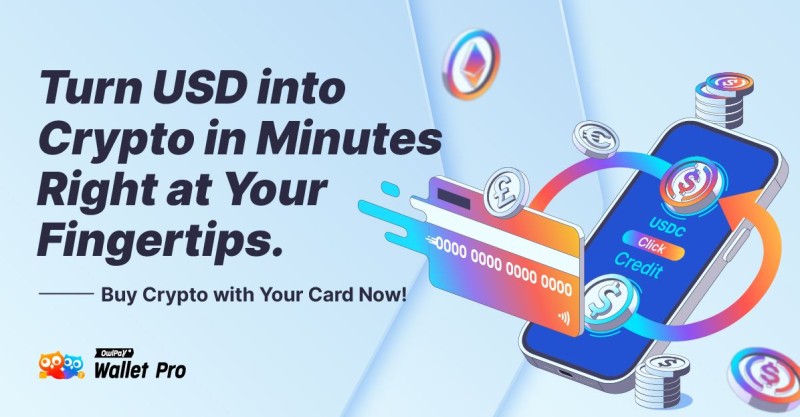
You need identification and a way to pay. OwlPay Wallet Pro lets people with a credit card and ID buy USDC across several blockchains - Stellar, Ethereum, Polygon, Avalanche, Arbitrum, and Optimism. NetCoins in Canada keeps it simple with a passport photo and bank details. Coinbase asks for a photo ID and a selfie. If you wonder how to buy crypto without being 18 , know that most places require valid ID, so age becomes a paperwork matter.
In the Netherlands, Nash ramps were limited to locals during a license review. The main point - whether you buy cryptocurrency usa or elsewhere - depends on local rules. Always check if your region permits it. Some users prefer brokers with no ID check, but that may be illegal in parts of the world. I wouldn’t risk it.
Canada’s NetCoins sits at about 97% accessible, with a couple of workarounds. It is a straightforward investment platform offering BTC, LTC, ETH, XRP, and stablecoins. Coinbase may hand you a small free Bitcoin to start. But a first-time buy can take around eight business days - so plan ahead if you need coins soon.
Picking a Crypto Wallet
A wallet is where your coins rest after purchase. It stores keys and lets you send or receive. There are custodial wallets, where a company holds the keys, and non-custodial ones, where you hold them yourself. I lean toward self-custody for the control it gives - but you must guard the seed phrase.
If the company behind a custodial setup shuts down, funds could vanish. With self-custody, lost keys mean lost coins - a heavy trade. Choose based on your comfort with responsibility. Self-custody wallets include Nash Wallet, MetaMask, Safe, Brave, Uniswap, and Trust Wallet. Custodial ones include Coinbase, Binance, Gemini, BitGo, and Anchorage Digital.
Wallet Types
- Software wallet: an app on your computer or phone
- Hardware wallet: a device kept offline for safety
- Mobile wallet: phone-based and flexible
- Paper wallet: printed keys stored offline
Security is paramount. The seed phrase is 12 or 24 words - quite literally the keys to the kingdom. Never store it on a device connected to the net. Private keys are alphanumeric codes used to sign trades. If stolen, assets are likely gone. The public key is your address to receive. I tell friends: write the phrase on paper, then lock it away.
Personal Story: Making Money With Crypto
Hot and Cold Storage
Hot wallets stay online. They are handy, but more exposed to hackers. Cold wallets stay offline, which shields them from remote theft. I sleep better knowing my long-term hold sits cold.
A paper wallet is one cold form. You print the key or QR code. Keep two copies - one for a gift, one in the safe. Delete the app until needed, then rebuild from the phrase. Hardware wallets like Ledger or Tangem are also cold, and good for larger holdings.
Hackers can’t crack an offline wallet.
Multi-Party Computation (MPC) is a newer method that splits the signing across parties, so no single person sees all the data. Nash uses MPC for self-custody. Biometrics - face or fingerprint - add safety on mobile. Two-factor auth through an app beats text spoofing. These steps matter for peace of mind.
Choosing an Exchange or On-Ramp
You need a place to trade cash for coins. Popular ones include Coinbase, Binance, Kraken, eToro, Gemini, Robinhood, NetCoins, Nash, Topper, and OwlPay. Each carries its own rules and regions. Fees and speed differ. Some legacy banks remain hostile to crypto, so linking can fail.
If you ask how can I open a crypto account , the steps look similar: sign up, verify ID, add funds. Topper links to many venues and supports cards and Apple Pay. Nash offers self-custody with MPC and an IBAN account in some areas. Coinbase works with Chrome or Firefox on Mac, less so with Safari. Trust Wallet is fully accessible, and you hold the key.
Some folks use brokers with no ID check, but that may be illegal where you live. I would stick to known names. Also, if you want to how do I trade crypto , these platforms let you place orders after funding. The Robinhood iOS app and Gemini.com are options some users found easy. Always read the fine print on geographic limits.
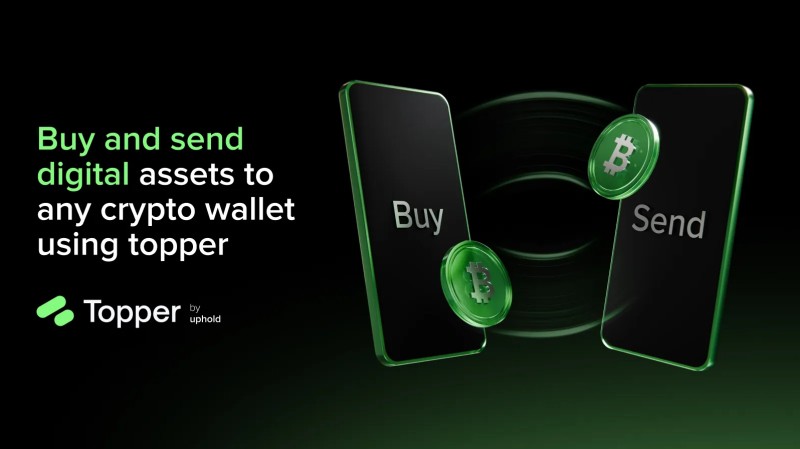
Topper is a fiat-to-crypto on-ramp built to simplify buys. It opens access to over 250 digital assets - including XRP, BTC, ETH, XLM, HBAR, USDC, and USDT. It connects to over 30 CeFi and DeFi venues and offers 24-hour support. OwlPay Wallet Pro supports wire or cash too. Pick the ramp that fits your country and payment habit.
Step-by-Step How to Buy
Let’s walk the path. First, pick an exchange or wallet with a ramp. Decide custodial or not. Then create an account and verify with ID. Add funds via bank, card, PayPal, Apple Pay, Google Pay, wire, or Plaid. Place an order for the token. Store coins safely. Confirm on a block explorer.
With Topper, you select coin and amount, add your wallet address, pick payment, submit, and receive coins within a minute. OwlPay’s app steps are simple with credit card or wire. Coinbase can take up to eight business days for a first buy, so plan ahead. This is the core of how to buy into crypto without noise. One user on AppleVis downloaded Coinbase, verified in under half an hour, funded with PayPal, bought Bitcoin, Ethereum, and Dogecoin at market price, then sent them via QR scan to Trust Wallet. He paid a 3.5% fee from PayPal plus a small network fee.
Basic Buy Steps
- Choose your wallet type first
- Verify account with photo ID and selfie
- Add funds through card or bank
- Place order and store in a secure wallet
Remember password and any backup codes (locked out without them).
Nash sums it up: choose wallet, learn key safety, create and secure account with a 12-word seed, connect fiat ramp, choose token and amount, click buy, confirm in wallet. That simple loop works for most beginners. I suggest a small first buy to learn the feel.
Fees Timing and Limits
Speed varies. Credit card buys are often instant, 24/7. Bank transfers can take over ten days. Coinbase’s first buy may take eight business days. Topper sends in a minute or less. Nash KYC takes minutes. OwlPay’s credit card ramp is instant.
Fees exist. Coinbase took 3.5% to fund from PayPal, plus a network fee paid to miners. Topper has high approval rates and payment ease, but watch the pricing. OwlPay announced a credit card feature for simple steps. Exchange hacks are a risk, not a fee. I say check the fine print before you commit.
Timing bites when you need coins fast. If you must have crypto in less than eight days and Coinbase is slow, finding a person to buy from is risky. Better to use a ramp with card support. Plan your first buy with buffer time, so you don’t panic-sell later.
Security and First-Time Mistakes
Crypto is volatile. Value can drop hard. There is no FDIC insurance. If an exchange is hacked, funds are lost. Lost keys equal lost coins. Scams abound. Use 2FA, strong passwords, never share your seed phrase. Only use well-known, reputable exchanges.
Common rookie errors: not saving the seed phrase offline, storing it on your phone, showing your public key (one TV host got funds stolen instantly), assuming insurance, not researching. I beg you - don’t skip the seed phrase step. This one’s important; pay attention. Cold storage offline is best for keepers.
Mistakes to Avoid
- Not saving seed phrase offline
- Storing keys on a connected device
- Revealing private key to anyone
- Keeping more than your risk tolerance
Treat crypto keys like passwords; never reveal the secret key.
Other good habits: use a third-party authenticator app for 2FA, not text or email. Create strong, unique passwords. Enable biometrics on mobile. Address whitelisting on some wallets blocks strange withdrawals. The blockchain tech is secure, but the edges where humans touch it are weak. I keep my cold phrase in a locked drawer.
Bitcoin Versus Ethereum Investment Comparison
Gifting Crypto and Cold Storage
You can gift coins to kids. Buy on Coinbase, send to a paper wallet. Cardano on Thanksgiving 2020 sat around 10 cents USD, showing early buys could grow. Using the Yoroi Chrome extension for Cardano: install, create wallet, choose paper wallet, set number, add password, download foldable PDF, print two copies, verify recovery phrase. Send ADA from Coinbase to the paper address; check on the Cardano explorer.
Cold storage is best for a gift. USB sticks can fail or become inaccessible. Keep them offline. Delete the app until needed. The point is to keep the secret key away from the net. I like this method for peace of mind. Services like bitcoinpaperwallet.com exist for Litecoin, and liteaddress.org for open-source Litecoin. Trust providers carefully: if they peek at private code, they can steal.
Create paper wallet via Yoroi Chrome extension for Cardano: install extension, create wallet, choose Cardano and paper wallet.
If you had bought $100 of Bitcoin in 2011, you would own 100 bitcoins today. That shows long-horizon gifts can matter. But do not gift what you cannot afford to lose. The receiver must learn key safety too. A gift with a lost phrase is just paper.
Investment Thoughts and Allocation
One medical resident shared his plan. He kept 98% in stocks, all index funds, and 2% in crypto. He rebalances when crypto hits lower and upper bounds of 1.6% and 2.5%. He uses auto recurring buys on a large exchange, not a cold wallet. His view: a small slice helps with volatility and low correlation to stocks.
Some argue crypto isn’t a real asset - no dividends, pure speculation. Others call it a store of value, a bearer asset. BlackRock’s Larry Fink was noted recommending a 2% allocation to BTC. FOMO drives some to hold a small bit. If you book crypto on a recurring buy, keep it small. I’m not a financial advisor, but the source says talk to one if unsure.
Anywhere between 1%-5% seems sweet spot for taking advantage of crypto’s volatility.
In a personal account, the resident noted Bitcoin had climbed over 120% in one year, then dipped below half, then rose again. He sold gains to buy stocks. Over a multi-year span, crypto improved his portfolio return slightly. The takeaway is not to bet the farm. A tiny slot can satisfy curiosity without wrecking plans.
Mining Regulation and Anonymity
Mining uses enormous power. Bitcoin uses proof of work, Ethereum uses proof of stake. Miners verify trades and earn new coins as reward. The energy use can match whole countries. Regulation adapts slowly; simple buy/sell is taxed - keep a spreadsheet for cost-basis. Services like ZenLedger automate this.
Anonymity is a myth: the FBI traced Colonial Pipeline hackers via chain data and obtained the private key. Most crime still uses $100 bills. Nodes run on satellites for backup if the internet goes down. That shows the network is sturdy. I find the transparency both good and odd for privacy hopes.
Extra Concepts
- Mining: verifying trades for reward
- KYC: identity check on ramps
- Stablecoin: a token tracking $1
- DeFi: finance via smart contracts
A CBDC is a central bank digital currency, different from crypto. A wrapped token is a coin from one chain packed for another, like Wrapped Bitcoin on Ethereum. A utility token is usable for something - say, travel discounts. An oracle reads real-world data into crypto. A bridge translates tokens between chains. A liquidity provider feeds pools for swaps. All these terms help you read docs without fog.
Glossary of Crypto Terms
Let’s define them briefly. Blockchain is a public ledger. Wallet stores keys. Bitcoin is digital gold. Altcoins are non-BTC coins. Seed phrase is 12–24 words for the key. Hot wallet online, cold offline. Stablecoin tracks the dollar. NFT is a digital item. DAO is a programmatic group. dApp is a decentralized app. Smart contract is code that runs. All these help with understanding crypto for dummies if you keep them handy.
Quick Term List
- Blockchain: a distributed ledger
- Wallet: a digital key store
- Altcoins: ETH, MATIC, AVAX, etc.
- Mining: proof-of-work verification
Seed phrase: 12 or 24 word representation of Private Key.
Coin vs token: a coin is the base unit of its own chain, like BTC or ETH; a token rides another chain, like UNI on Ethereum. Keys are private and public alphanumeric codes. 2FA is two-factor auth. KYC is Know Your Customer. DeFi shifts finance to smart contracts. I keep this list in my phone notes for a quick look.
Researching Coins Before You Buy
Before purchase, look at the social buzz, the tech, the community on Telegram or Reddit. Check if a major exchange lists it. A unique problem solved matters. Buying below a $1 billion cap before breakout is one method. There’s no wrong answer, but do your homework. Filter by strong social media, rapid innovation, community activity, non-redundant tech, staking or deflationary benefits, and major exchange relationships.
If you still ask buy crypto with prepaid visa , many ramps take cards but the issuer may block. Use wire or cash if needed. I’d test small first. That’s the sane path. The Akash method suggests partnerships and real use as signs of life. Avoid coins with no clear team or a dead GitHub.
Researching coins: filter by strong social media, rapid innovation, community activity.
A poll of advisors showed many think clients buy crypto on their own, yet advisors feel uncomfortable discussing it. Education is the gap. I feel the same: learn the terms, then take small steps. The question can anyone buy crypto gets a yes - but the wise buyer prepares first. Read docs, check geography, secure keys, start tiny.


Comments on “Can Anyone Buy Crypto? A Step-by-Step Path for the Beginner Who Seeks Clarity”
No comments yet. Be the first to share your thoughts.