
How to Make a Crypto Purchase in a Few Quiet, Mindful Steps
What a Crypto Purchase Really Means
When I speak of a crypto purchase, I mean trading ordinary money for digital coins. Crypto is a digital asset guarded by cryptography. It is not the cash issued by a government. The material I read explains it runs on a blockchain - a shared ledger spread across many computers. That ledger keeps records that cannot be altered. This is the ground beneath any crypto purchase you make.
Three qualities make something money: a unit of account, a medium of exchange, and a store of value. Crypto aims to fulfill these roles without a central bank. Bitcoin was the first, created in 2008 by the cryptic figure (or group) known as Satoshi Nakamoto. It solved the double-spend problem using public and private keys. When you make a crypto purchase, you step into that very system.
I care about this because it is easy to drown in jargon. But at its heart, a crypto purchase is simply trading one form of value for another. You hand over fiat money; you receive a token. The token lives in a wallet. Hold that simple frame and you are already ahead.
The blockchain part matters. A blockchain is a distributed ledger recording every transaction across a network of computers. It ensures transparency and security. Transactions are immutable - once written, they cannot be changed. That is a quiet revolution compared to old bank records that can be edited at will.
Bitcoin and Altcoins
Bitcoin (BTC) was invented in 2008 by the mysterious Satoshi Nakamoto. It was the first decentralized digital cash system. It solved the double-spend problem using public and private key cryptography. The public key is used to receive funds and is safe to share. The private key should remain known only to you; it is what allows you to spend.
Bitcoin has a hard limit of 21 million coins. A few million have been lost forever, quietly shrinking supply. Unlike fiat money, which governments can print at will, Bitcoin’s fixed supply means its purchasing power may strengthen as demand rises. The U.S. left the gold standard in 1971, freeing fiat to expand. Bitcoin’s stock-to-flow ratio is small and falls over time, much like gold.
Altcoins are any cryptocurrency other than Bitcoin. The source lists examples like Ethereum (ETH), Polygon (MATIC), and Avalanche (AVAX). When you make a crypto purchase, you may choose Bitcoin or any of these others. Each lives on its own network, or a shared one such as EVM.
Bitcoin is only pseudonymous, not anonymous. With a public address, anyone can use a block explorer to view balance and transactions. Monero offers privacy where amounts and parties stay hidden. For a first crypto purchase, most people begin with Bitcoin or Ethereum because they are widely listed.
Coinbase crypto purchase walkthrough for beginners
Picking a Wallet Before You Buy
A wallet is a digital tool for storing, sending, and receiving crypto. You need one before - or exactly at the moment of - your crypto purchase. When you buy, the tokens arrive at a wallet address. There are two main types based on who holds control: self-custody and custodial. This choice matters for your safety.
I looked at a few wallet options in the source. Trust Wallet supports millions of assets across many blockchains and keeps your private keys on your device. Nash Wallet is self-custody with a fiat ramp built in. Wirex offers an in-app wallet inside a regulated space. Walleti is a technology provider for prepaid card buys. Each carries a different feel.
If you’re new, you might ask how one opens a crypto account with these tools. The steps are not hard. You download an app or use a browser add-on, create an account, then link a way to pay. Some wallets perform know-your-customer checks. That is normal.
The source notes that with self-custody you can always transfer assets to another self-custody wallet later. If you choose custodial, you can move to self-custody later as well. So your first pick is not a life sentence. I like that flexibility.
Self-Custody Versus Custodial Wallets
Self-custody means you own your tokens and control the private key. Only you can access the funds. The source lists examples: Nash Wallet, MetaMask, Safe, Brave, Uniswap, Trust Wallet. You are responsible for security. If you lose your key, the money is gone. That is a heavy but honest truth.
Custodial wallets are run by a company that holds the assets, much like old banks. Coinbase, Binance, Gemini, BitGo, Anchorage Digital are examples. If the firm fails or lies, you could lose coins. The source warns that custodial is centralized and can be hit by hacks or legal action. I’d say know who you trust.
Main wallet custody types
- Non-custodial: you hold the keys, full control, risk rests on you
- Custodial: company holds keys, easier but weaker control
- You can move from custodial to self-custody later
- You can always transfer self-custody to another self-custody wallet
Not your keys, not your crypto. Move coins off exchange to own wallet.
Rob’s Workbench coined that phrase and urged moving crypto off exchange to own software like Exodus or hardware. It is a plain warning from an ordinary person, not a brand. I keep it in mind when reading about any crypto purchase path.
Complete beginner crypto investing guide 2025
Hot and Cold Wallets for Storage
Wallets also split by how they connect. Software wallets are hot - always online, fast and handy. Mobile wallets are similar, good for DeFi access. Hardware wallets are cold, kept offline, better for long-term holding. The source says cold is more secure for keeping coins a long time.
I think for a first crypto purchase, a hot wallet is fine to start. You can send to cold later. Trust Wallet and others offer hot storage with DeFi built in. But if you plan to sit on Bitcoin for years, a hardware device makes sense. It is like a safe versus a pocket.
Types of wallets include software, hardware, and mobile. Software and mobile offer more flexibility and access to DeFi. Hardware is better for long-term holding. The source puts it plainly: hot is convenient, cold is safe. You decide based on how long you hold.
A Few Wallet Names I Looked At
Trust Wallet is large. It supports many digital assets across more than 100 blockchains. Your keys stay encrypted on your device. It connects with third-party providers for buying. The source notes it has a Security Scanner that checks addresses for malicious activity.
Nash Wallet is self-custody and registered in Europe under certain financial authorities. It has a native fiat ramp and DeFi by default. It uses multi-party computation so no single party sees all data. That is a neat safety trick.
Wirex is used by millions, available in many countries, and has processed huge transaction volume. It provides an in-app wallet after exchange. Walleti lets you buy with prepaid cards from stores. These are just a few; the leading crypto exchange listings often list such wallets.
Wirex states it is trusted by 7M+ users worldwide, available in 130+ countries, with $20B+ processed transactions. That scale shows a crypto purchase can happen inside a regulated, compliance-led environment. Still, you must check whether it serves your region.
Curated crypto purchase guides for calm beginners stepwise
Buy Bitcoin on Coinbase step by step
Ways to Pay for Your Crypto
Your crypto purchase can use many payment methods. It depends on platform and region. Credit card is fastest, often done in minutes. Bank transfer is slower - maybe 1–3 business days - but fees are lower. Network fees, called gas, shift with congestion. Always check the full cost upfront.
Some wallets use MoonPay to support Apple Pay, Google Pay, and local bank moves. Wirex has a single Exchange feature to swap fiat and crypto. Nash links a fiat ramp via bank, card, PayPal, Plaid. Walleti uses prepaid cards bought with cash. Merchants can accept crypto via processors like ACI Worldwide.
If you are in the states, you may search crypto apps in the usa to see what payment fits. Also, to purchase cryptocurrency in the usa you can pick from several ramps. I’d start small to learn the flow.
ACI Worldwide offers cross-border, cross-channel payments accepting 120+ crypto coin options globally. Visa, Mastercard, Square, and Paypal now offer cryptocurrency integrations so merchants can accept crypto. This helps after you own coins, but the buy step still needs a ramp.
Credit Card and Bank Transfer Options
Credit card purchases give the quickest crypto purchase. Most finish within minutes. But card fees are higher than bank transfers. The source says provider fees vary. Bank transfers take longer yet cost less. That trade-off is real.
You can also use an amex card to buy crypto on some platforms. And you can buy crypto with a prepaid visa through Walleti’s store cards. I like that cash buyers get a path without a bank account. It opens the door for many.
Remember network fees. They are required to process blockchain transactions. They rise when many people use the network. Trust Wallet shows all fees before you confirm. That is a good practice everywhere.
MoonPay integration used by Trust Wallet supports Apple Pay, Google Pay, and local bank transfers depending on region. Provider fees vary by payment method. Credit card purchases typically cost more than bank transfers. That is a plain fact to keep in mind when you check out.
Curated crypto purchase guides for calm beginners stepwise
Coinbase app Bitcoin purchase tutorial
Buying Through Trust Wallet
The Trust Wallet steps are simple. On mobile, search for the coin like Bitcoin, hit buy, enter amount, pick provider and payment, then continue. On browser add-on, choose currency and amount, pick Bitcoin, select provider, finish steps. The source included a guide for this.
I appreciate that they show fees upfront. Also their Security Scanner checks the destination address against known bad lists. It gives low, medium, high risk levels. If you see medium or high, stop and read. That is a safeguard for your crypto purchase.
For the mobile app, you search for desired crypto, select it, click buy, enter amount of BTC, select third-party provider and payment method, select Continue and complete steps. The browser extension asks you to choose currency and amount, then Bitcoin, then provider, then complete. Both paths lead to the same result: coins in your wallet.
Using Wirex to Exchange Money
Wirex uses one Exchange feature. You log in, pick account to exchange from, click Exchange. Choose source (fiat or crypto) and target (crypto or fiat). Enter amount, hit Exchange, review, confirm. All confirmed buys are final. No take-backs.
They let you hold and swap many assets in seconds. No separate wallet needed; it is in-app. Enable 2FA and biometric login. Turn on transaction alerts. Double-check details before confirm. I’d say that is basic hygiene for any crypto purchase.
Always double-check transaction details before confirming because all confirmed transactions are final.
Wirex supports funding via card top-up in some regions then using Exchange to convert into assets like USDC. Identity verification is required, with security controls and monitoring. You can enable 2FA and biometrics. In most cases BTC purchases via Exchange are processed quickly once funds are available.
Curated crypto purchase guides for calm beginners stepwise
Beginner Bitcoin buying and storage guide
Nash and Its Fiat Ramp
Nash requires connecting a fiat ramp. You go through KYC, link source of funds like bank, card, PayPal, Plaid. Takes minutes if all good. Then select token, input fiat amount, review quote, click Buy, confirm, see tokens in wallet. You can view on block explorer.
Nash uses MPC and address whitelisting. It never shares private keys when sending. Seed phrase must be saved offline. The source says Nash Fiat Ramp Services are available to Netherlands residents while license pending, but I won’t focus on that time-bound bit. The method is clear.
For those asking which exchange can be trusted most , Nash’s regs and tech are a point to weigh. Also the exchanges known for safety often use similar MPC tricks.
Nash was the first crypto platform in Europe registered by the Financial Market Authority of Liechtenstein and a Dutch central bank. It has applied for a MiCA licence. That kind of paperwork shows they play by rules. Still, you hold your keys, which is the main thing.
Walleti Prepaid Cards for Cash Buyers
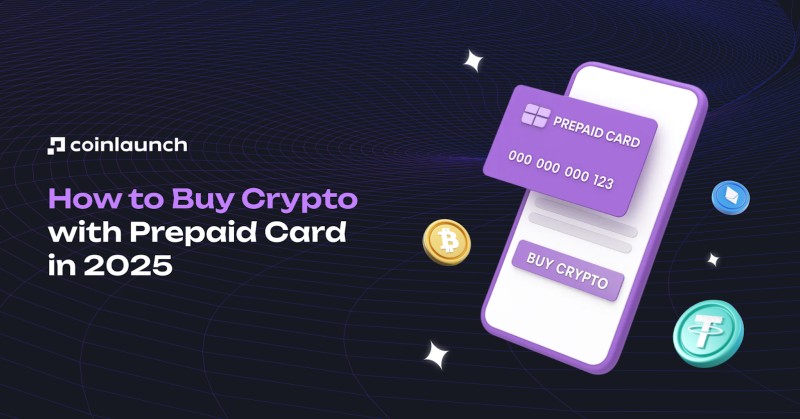
Walleti lets you buy prepaid cards at stores with cash. No bank account needed. Third-party shops sell the cards; Walleti is just the tech. You scratch the back, scan QR in app, pick crypto, confirm, and coins land fast. This is a neat path for private cash buys.
But watch the risks: a lost card means lost money if not scanned. Fake cards at shady stores. No refunds on used codes. Stick to known shops. Scammers push fake apps, so download only from official stores. Start with a small amount.
Walleti buy steps
- Find store selling Walleti prepaid cards
- Buy card with cash or card, note amount
- Download app from official store, make free account
- Scratch code, scan QR, pick crypto, confirm
Walleti enables instant crypto purchase via prepaid cards bought with cash at stores. Third-party shops sell cards; Walleti acts only as a technology provider. Redemption scans QR code in app; crypto lands in minutes. You can later send to any other wallet after basic verification steps.
Curated crypto purchase guides for calm beginners stepwise
Keeping Your Keys and Seed Phrase Safe
Keys are codes for signing transactions. Public key is your address, safe to share. Private key must stay secret; it signs and spends. Seed phrase is 12 or 24 words that stand for your key. Never store it on a device connected to the internet. Never share it. This is the core of self-custody.
Login credentials, 2FA, biometrics matter. Use an authenticator app over SMS due to spoofing. Nash uses MPC to split computation. Bitcoin is pseudonymous, not anonymous; a block explorer shows balance. Monero hides amounts. I’d say write the seed on paper, lock it up.
Seed phrase is critically important, should not be stored on digital devices or anything connected to internet, never shared.
Multi-Party Computation distributes transaction computation across parties so no single individual sees all data. That is used by Nash. Biometrics like facial recognition and fingerprints are good extra locks. The source says public key is shared to receive funds; private key is used to sign and must never be shared.
Security Scanners and Extra Checks
Trust Wallet’s Security Scanner auto-analyzes transactions. It checks against known malicious addresses from Binance Risk and Hashdit. It assigns risk levels. Medium or high warnings give details and safer alternatives. That is a helpful guard for a new crypto purchase.
Wirex pushes 2FA, biometrics, notifications. Nash adds address whitelisting and transaction blocking. Walleti tells you to keep phone updated, use strong passcode, two-step login, backup phrase on paper. These are simple steps that block most pain.
Safety steps I note
- Enable 2FA with app, not SMS
- Save seed phrase offline on paper
- Use security scanner if wallet has one
- Double-check address before send
ACI Worldwide notes that reputable wallet login is accompanied by 2FA (OTP or biometric). Upcoming tech includes sharding and MPC dividing key across stakeholders making it invisible to fraudsters. For now, the basic steps above are enough for a calm crypto purchase.
Common Mistakes With a Crypto Purchase
Wirex beginner mistakes: buying wrong asset by accident because tickers look similar. Always confirm the “TO” field. Using MAX without checking fees. Forgetting confirmed deals are final. Ignoring security. Starting with too much money. Crypto is volatile; start small.
Walleti risks: price drop after buy, lost card, fake cards, no refunds, tax records, fake apps. A security site once tried Bitcoin via Stripe, got few pays, then later during a sale got 220 crypto transactions but still under 1% of total. Scams in comments, wrong addresses, manual matching pain made them disable it.
More than half of business owners are wary of cryptocurrency payments and feel not as safe as credit cards.
Common errors to avoid
- Buy wrong coin due to similar ticker
- Skip fee check on max amount
- Forget transactions can't be reversed
- Leave account without 2FA
General risk notes say crypto investments carry risks; start with amounts you can afford to lose. The perceived risk disconnect may cause missing lower chargebacks, less fraud, and zero-fee transaction benefits for merchants. But for a buyer, the main error is sending to wrong address. Funds never arrive back.
A Tale of a Site That Tried Crypto
A security website with nearly 5 million users once accepted Bitcoin through Stripe. They got only 1–2 payments, removed it. Later they re-enabled during a sale and got 220 crypto transactions, still less than 1% of all. Bitcoin was top, then Ethereum, then Dogecoin close.
They saw scams: fake Coinbase support in replies, crypto scams in comments. Poor dev experience: Coinbase didn’t let them prefill email, so users not auto-upgraded. Some sent to wrong address, funds gone. Support emails piled up, they disabled crypto again. It shows a crypto purchase by a buyer can still hit rough edges.
Six of 220 were underpayments due to volatility but accepted. The site noted scams everywhere in social comments. Sending money to wrong address meant funds never arrived. Disproportionate support emails led to disabling crypto again. A plain lesson: check address twice.
Thinking About Merchant Payments
Merchants can accept crypto via processors. ACI Worldwide supports 120+ coin options across borders. Visa, Mastercard, Square, PayPal now have integrations. 55 of top 100 banks invested in crypto or blockchain. 10 countries launched central bank digital currencies. For a buyer, this means more places to spend after your crypto purchase.
The source says in a survey over 46 million U.S. users would use crypto to buy something. Almost half of Gen Z would take half salary in crypto. Reasons: investing, fear of missing out, anonymity, getting tokens. Merchants like irreversibility to cut chargebacks. If you wonder which top exchanges operate in the usa for getting coins to spend, check those with merchant links.
Tips for merchants considering crypto: educate payments department; avoid refunds on different wallets; choose gateway partner like ACI that supports many coins with one-click. For us as buyers, this backend work means our crypto purchase could be used at a shop one day.
Small Crypto Buys and Micropayments
Micropayments are tricky. Bitcoin fees make tiny spends hard. IOTA was proposed for feeless micropayments, charging cents per read. Nano also no fees. Monero fees about 7 cents, not great for micro. BTCPay mentioned as bridge. A ghost forum built pay-per-content with IOTA. This is beyond a first crypto purchase but shows where coins could go.

I find this neat but complex. For most readers, a normal crypto purchase of a few dollars via card or bank is enough. The micropayment stuff is for later tinkering. Keep your focus on safe buy and hold.
The ghost forum discussion proposed IOTA for feeless micropayments to charge even a few cents per read without payment service provider. Bitcoin and other coins with fees are not feasible for micropayments. Nano also no fees, ideal. A pay-per-content service was built where bloggers register and put posts on paid. That is a side path, not needed for your first buy.
Taxes and Earning After You Own Crypto
In the U.S., crypto is treated as asset, not security. Wash sale rule doesn’t apply, so tax loss harvesting is allowed. Use tracking software early. Some platforms like Coinbase, Gemini, Voyager had sign-up bonus offers in the past. CeFi/DeFi earn via Celsius, BlockFi, Nexo gave interest. Trust Wallet has DeFi built in after you own coins.
This is not advice, just info from source. The point: after your crypto purchase, you might stake or lend. But risk remains. Start with amounts you can afford to lose. The source disclaims any financial advice, and I echo that. Do your own research.
Crypto comes with risk; do your own research.
Exchanges for purchase: beginners can create account at Coinbase, Gemini, Voyager with free BTC offers. Use advanced trading platforms to save on fees. Mining Bitcoin is tough due to equipment cost and electricity. Trust Wallet built-in DeFi features open after owning crypto. Nash Earn provides one-click access to DeFi yield.
My Plain Take on Starting Out
I’d say a crypto purchase is not magic. Pick a wallet you understand. Choose a payment method that fits your life. Use credit card for speed or bank for low fee. Consider the best exchange for your needs for your region. Keep keys safe, start small, double-check everything.
If you want exchanges built for safety , look at those with MPC, 2FA, scanners. The best exchange label depends on your needs. I hope this calm walk helps you hold your first token with clarity. That is all I have.
Hey, don’t skip the part about seed phrase. Write it on paper, not on your phone. And watch out for fake apps when you buy crypto with a prepaid visa at stores. A little care goes a long way in this space.
Comments on “How to Make a Crypto Purchase in a Few Quiet, Mindful Steps”
No comments yet. Be the first to share your thoughts.