How to Start Crypto Trading With a Clear Plan and Risk in Mind

What Crypto Trading Is
Crypto trading is buying, selling, or exchanging cryptocurrencies on exchanges. The goal is to profit from price changes. Traders use different methods to guess where the market is headed. You can trade by hand or use automated tools.
Before you start, you need to understand the basics of how the market works . Crypto markets run 24 hours a day, seven days a week. That means opportunities can pop up at any time, but it also means the market can move fast when you are not watching.
The source says most people who trade do not profit. The ones who do tend to follow a plan, even if they do not call it a strategy. A good crypto trading account starts with understanding what you are getting into.

How Markets and Orders Work
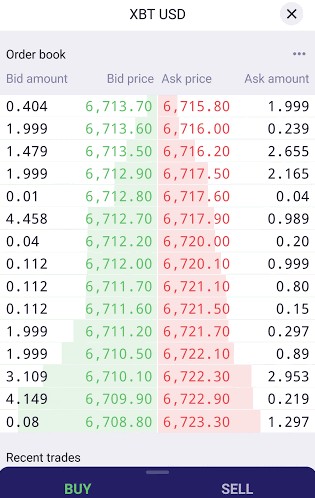
A market brings buyers and sellers together. An order book is a list of bids, which are offers to buy, and asks, which are offers to sell. Think of it like a classified ad. A seller lists an item and a price. Buyers decide if they want to match that price.
A trade happens when a bid and an ask agree. That is also called an execution. Every trade needs a buyer and a seller. If there is no match, the order sits in the book until someone else shows up on the other side.
Every transaction requires two sides. An order cannot fill in a market made up only of buyers or only of sellers.
Crypto Trading Full Course for Indian Traders
Trade History and Price-Time Priority
Most platforms log completed trades in a trade history. This is a time-ordered record of what sold, for how much, and when. Each entry usually has a price, volume, timestamp, and whether it was a buy or sell.
Orders follow price-time priority. For buys, higher prices go first. For sells, lower prices go first. If two orders match at the same price, the one that came in first gets filled first.
Trade history can tell you a lot about a market. Few trades or big price jumps between trades can mean low liquidity. That makes it harder to get in and out at a fair price.
Crypto Wallets and Account Access
A crypto wallet is a digital tool that stores and manages the keys you need to access your assets. The wallet does not hold the crypto itself. It holds the keys that prove ownership.
If you want to trade on a platform like Bitcoin Store, you need to verify your account first. Verification is a required step before you can start trading. This is a standard practice across most crypto trading platform services.
Live Analysis of Nifty, Crypto, and Gold Markets
Building a Crypto Portfolio
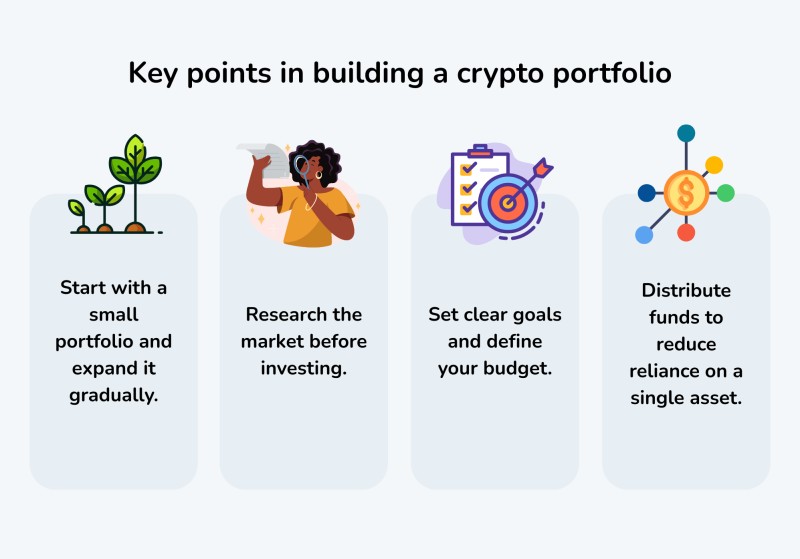
A crypto portfolio is a collection of different digital assets. Like a regular investment portfolio, it can include Bitcoin, Ethereum, altcoins, and NFTs. The idea is to spread your money so you are not dependent on one token.
This spread is called diversification. If one asset drops, others can help balance things out. Diversification does not remove risk, but it can reduce it. The goal is to protect your portfolio while still aiming for long-term gains.
How to make money of cryptocurrency is a question many beginners ask. The honest answer is there is no guaranteed path. The guide says start small, learn as you go, and do not rush to put everything in at once.
Market Research and Due Diligence
Before you invest, research the project. Look at why it was created, what problem it solves, and how its blockchain works. Most projects have a website, a whitepaper, team info, and a development history.
Detailed info does not guarantee success. But it helps you judge whether a project is transparent and mature. The guide stresses the DYOR principle: Do Your Own Research. Do not base decisions only on what others say.
Research and analysis should inform your investment decision, not hype or momentum.
Goals and Risk Tolerance
Clear goals matter. Some people trade short term. Others want to hold for years and build security over time. Your purpose shapes your strategy and which assets you pick.
The guide repeats one rule: only invest what you can afford to lose. This applies when you start and as your portfolio grows. Crypto markets are volatile. Regulatory shifts, tech updates, and macro trends can all move prices fast.
Cryptocurrency investments carry real risk. Sudden swings can mean big losses or big gains. Lack of knowledge is one of the main reasons beginners lose money.
Curated Crypto Trading Guides: From Basics to Live Practice
Step-by-Step Crypto Trading Guide for Philippines Beginners
Beginner Asset Examples
Beginners usually start with assets that have high market cap and liquidity. These are traded daily on most exchanges and have a long track record. Examples from the guide include Bitcoin, Ethereum, Cardano, and Solana.
You do not need to start with unknown or risky coins. The largest crypto by market cap tend to be the most established. They are not risk-free, but they have survived multiple market cycles.
Sample Portfolio Allocation
The guide uses $1,000 as an example. It suggests 50% to Bitcoin, 30% to Ethereum, and 20% to established altcoins like BNB, ADA, or SOL, or to stablecoins. This is not a formula. It is an illustration you should adjust to your own risk tolerance and goals.
Bitcoin is called the safest pick in this example because of its long-term stability and global reach. Ethereum powers much of the DeFi and NFT space. Stablecoins offer flexibility for quicker moves.
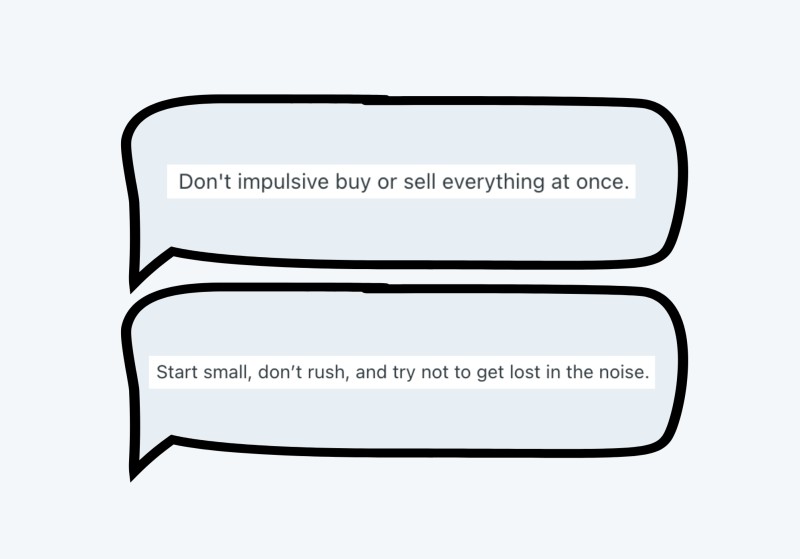
The Reddit comments highlighted in the guide point to discipline, patience, and risk management as the backbone of crypto investing.
Curated Crypto Trading Guides: From Basics to Live Practice
Beginner’s Guide to Trading Memecoins in 2026
Trading Strategies Overview
There is no single best strategy. The right choice depends on market conditions, your capital, risk tolerance, time frame, and how much monitoring you can handle. Each approach has trade-offs.
How to make money cryptocurrency is not about finding one perfect method. It is about matching a strategy to your situation and sticking with it.
Common trading strategies from the sources
- Arbitrage: exploit price gaps for the same asset across exchanges
- Day trading: buy and sell within one day using charts and indicators
- Dollar-cost averaging: invest a fixed amount at regular intervals
- Event-driven trading: act on news, regulatory changes, and upgrades
- Futures and margin: use leverage to speculate on price direction
- High-frequency trading: bots place many orders in fractions of a second
- HODL: buy and hold for long-term growth regardless of swings
- Index investing: use crypto indexes for broad diversification
- Range trading: buy near support, sell near resistance levels
- Scalping: many small trades to collect tiny profits each time
- Swing trading: hold for days or weeks to capture medium-term moves
- Trend trading: follow the prevailing market direction with indicators
Arbitrage and Day Trading
Arbitrage exploits price differences for the same asset on different exchanges. You buy low on one exchange and sell high on another. The profit margin is often small, and fees can eat it up. Speed matters a lot here.
Day trading means buying and selling within one day. Traders use charts, patterns, and indicators to time moves. The upside is quick profits. The downside is high risk and the need to watch the market constantly.
Arbitrage looks simple in theory. In practice, transaction fees and delays can wipe out the edge.
Curated Crypto Trading Guides: From Basics to Live Practice
Live Gold and Bitcoin Trading with Price Action
Dollar-Cost Averaging and HODL
Dollar-cost averaging, or DCA, means investing a fixed amount at regular intervals. You buy the same dollar amount every week or month regardless of price. This spreads out your entry and reduces the stress of timing the market.
HODL means buying and holding no matter what. The name started as a typo of "HOLD" and stuck. The idea is to benefit from long-term growth. The risk is that you may miss short-term chances and need years of patience.
Futures, Margin, and Leverage
Futures let you speculate on price without owning the asset. You put up margin and control a larger position. Leverage can amplify gains, but it can also amplify losses. You can lose more than your initial investment.
Margin trading works the same way. You borrow funds to trade bigger. If the market moves against you, you can face a margin call and forced liquidation. Interest and fees add to the cost.
Leverage is a tool that can work for you or against you. The same mechanism that boosts wins also deepens losses.
Curated Crypto Trading Guides: From Basics to Live Practice
High-Frequency Trading and Scalping
High-frequency trading uses bots to place many orders in fractions of a second. Strategies include arbitrage at high speed, market-making, liquidity detection, and momentum trading. It requires heavy technology investment and carries regulatory risk.
Scalping is a form of day trading with dozens or hundreds of trades per day. Each trade earns a small profit. The risk is high transaction costs and the need for fast decisions and technical skill.
Trend and Swing Trading
Trend trading means following the prevailing direction, up or down. Moving averages help identify the trend. The strategy works well when the trend is clear but can hurt if the market reverses suddenly.
Swing trading is medium-term. You hold for days or weeks to capture gains. It uses technical analysis for entry and exit points. It requires less time than day trading but still needs solid analysis.
Market Volatility and Liquidity
Crypto runs 24/7. That creates chances to react to news at any hour. It also means conditions can change when you are asleep. Volatility is both risk and opportunity. Big swings can mean big losses or big gains.
Liquidity matters. A market with few trades or wide price gaps between trades can be costly to navigate. Arbitrage looks low-risk, but fees, delays, and small price gaps can shrink profits.
Risk Disclosures
Both Kraken and Bitcoin Store warn: do not invest money you cannot afford to lose. Crypto is a high-risk asset class. You should not expect protection if things go wrong.
The materials are for general info only. They are not investment advice. Some crypto products and markets are unregulated. Investors may not have government protection. Tax may also apply, so independent tax advice is wise.
Kraken states it will not work to increase the value of any cryptoasset you buy. The risk is yours.
Market Structure and Regulation
Crypto market structure is about how assets are classified for regulatory purposes. In the US, the SEC oversees securities and the CFTC oversees commodities. The line between the two matters because it determines which rules apply.
Bitcoin is generally treated as a commodity. Most other tokens have faced more SEC scrutiny. The Roosevelt Institute article notes that some critics warn loose regulation could recreate conditions that led to the Great Depression.
The article points out that 17 percent of Americans had used crypto at the time of writing. As crypto enters retirement accounts and mainstream finance, the rules around it matter more than ever.
Insider Trading and Market Integrity
Insider trading in crypto is a real problem. Researchers at the University of Technology Sydney estimated it happens in 10 to 25 percent of crypto listing announcements. In the stock market, the number is about 20 percent for mergers and 5 percent for earnings.
The SEC brought its first crypto insider-trading charges in July 2022. The DOJ created a National Cryptocurrency Enforcement Team in October 2021. Coinbase shared findings proactively with the DOJ and was praised for cooperation.
If you want a safer crypto experience, you need to understand the regulatory landscape and choose platforms with strong compliance practices. The CFTC may gain more authority if a bill defines certain tokens as digital commodities.
Trading Tools and Execution Management
A strategy is only half the battle. The tools you use to execute matter too. CoinAPI offers an EMS Trading API with multi-exchange access, real-time data, advanced order types, and compliance features.
These tools help traders manage orders across exchanges, get fast data, and follow rules. Institutional investors and asset managers are the main users, but the ideas apply to anyone serious about trading.
A strategy without good execution tools is like a map without a vehicle. You know where to go but cannot get there efficiently.
Crypto Accounting and Reconciliation
As crypto activity grows, tracking trades across exchanges and wallets gets hard. Manual reconciliation with spreadsheets breaks down. Errors creep in, audit trails get messy, and staff spend more time on data than analysis.
Bitwave offers an automated approach. It connects to exchanges like Coinbase, Kraken, Binance, and Gemini, and to on-chain wallets across Bitcoin, Ethereum, Solana, and other chains. It categorizes transactions, calculates gains and losses, and syncs with ERPs like NetSuite and QuickBooks.
For traders who need a reliable accointing crypto tracker, automated reconciliation tools can save hours of manual work . The platform handles cost basis, realized gains, and journal entries so finance teams can focus on analysis instead of data entry.
The article quotes a Corporate Controller at Art Blocks: "Without Bitwave, it would be impossible to get all the data you need to complete the close process and accumulate our revenue directly from the blockchain."
What automated reconciliation can handle
- Importing trade data from multiple exchanges and wallets
- Categorizing transactions: trades, transfers, fees, staking rewards
- Calculating cost basis and realized gain or loss
- Generating journal entries for the general ledger
- Syncing with ERP systems like NetSuite and QuickBooks
- Creating audit trails and period-locking for compliance
Wallet, Strategy, and Risk Records
A wallet gives you access through keys, not by holding the assets. A trading plan connects that access with research, goals, allocation, strategy, and records. The source materials point to several recurring themes.
Key elements that show up across the sources
- Research before investing: evaluate the project, the team, and the problem it solves
- Portfolio diversification: spread funds across multiple assets to reduce risk
- DCA: invest fixed amounts at regular intervals to smooth out volatility
- Strategies with clear rules: define entry and exit points ahead of time
- Order book and trade history: show how transactions happen and market activity
- Price-time priority: determines who gets filled first when orders match
- Volatility, liquidity, and costs: all affect your real-world results
- Leverage and margin: amplify both gains and losses
- Regulatory classification: affects which rules apply to your trades
- Accurate records: needed for accounting, tax, and reporting
Whether you use sofi crypto trading or another platform, the same basics apply: know your risk, have a plan, and keep good records. Crypto trading is not a get-rich-quick move. It is a skill that takes study, discipline, and patience.
There is no perfect portfolio formula. Each person has to find what fits their goals and risk profile. Stay informed, keep learning, and invest responsibly. The market will be there tomorrow. Protecting your capital today is what matters most.

Comments on “How to Start Crypto Trading With a Clear Plan and Risk in Mind”
No comments yet. Be the first to share your thoughts.