
What You Should Know Before Using a Cryptocurrency Marketplace
What You Should Know Before Using a Cryptocurrency Marketplace
A cryptocurrency marketplace can make shopping feel simple. The buyer picks an item, opens a wallet, sends a token, and watches the order move. I understand the pull. Crypto may offer faster cross-border payments, more direct vendor payouts, and a shared payment record.
But the screen hides the hard parts. A marketplace cryptocurrency setup can include payment gateways, banks, wallet providers, identity checks, tax rules, and blockchain networks. Before I use one, I want to know who holds the money, who can send a refund, what data stays private, and what happens if a wallet or vendor account is lost. Clear answers matter more than a loud promise of speed.
Marketplace cryptocurrency basics
Cryptocurrency is digital money that uses cryptography to record and check ownership. Bitcoin and Ethereum are two examples. There is no real Bitcoin coin to put in a safe-deposit box. Ownership depends on control of the keys linked to the tokens.
The four parts of a basic crypto payment
- Token: A digital unit of cryptocurrency sent to another party.
- Wallet: A tool that holds the keys used to send or receive tokens.
- Blockchain: A shared database that links and checks transaction records.
- Gateway: A service that helps a business accept, transfer, or convert crypto payments.
“A customer uses their crypto wallet to pay for something. The payment is recorded on the blockchain.”
A gateway may convert the tokens into regular money. A wallet provider may hold the keys. And the marketplace may still keep its own record that ties the payment to an order. The basic flow is short, but each part has its own rules and risks.
Price risk and final payment
Crypto prices can move sharply. A $100 payout can be worth $90 by the next day, even when the payment itself went through. A stablecoin may track a currency such as the U.S. dollar more closely, but it does not remove all crypto risk.
What can move a cryptocurrency price
- Supply and demand for the token.
- The value people believe the token will hold.
- More awareness and investment money moving into it.
- Distrust of traditional money or limited access to other investments.
- Real-world use, easier payments, and the cost of producing new tokens.
“The same irreversibility also means that a confirmed payment cannot automatically be undone if a buyer later claims that goods or services were not received.”
This finality cuts both ways for a marketplace cryptocurrency payment. It can stop a buyer from making a false chargeback against a valid payment. But it can also leave a buyer without an easy card-style reversal. A marketplace needs a refund and dispute process before crypto checkout goes live.
What blockchain can show
Blockchain is a distributed database with no single control point. A useful office analogy is this: each connected computer holds a copy of the same document. When one person makes a change, the others check it and update their copies. If one computer fails, copies remain elsewhere.
What a blockchain record can show
- Transactions linked in a shared history.
- Changes checked by more than one participant.
- A record used to compare order and payment activity.
- Cryptographic proof that a key controlled an address at a given time.
The record does not tell the whole story by itself. It may not prove that a product is genuine, that a buyer received an item, or that the name behind a wallet belongs to the person using it. Product claims and identity records still need trusted sources outside the chain.
Marketplace payments and vendor payouts
An online multivendor marketplace has several sides. Buyers want quick payments and clear records. Vendors want lower fees, faster payouts, and fewer bank limits. A crypto payment may help when buyers and vendors live in different countries or when a normal bank transfer takes too long.
Possible gains from crypto payments
- Direct vendor payouts without waiting for a normal bank transfer.
- Fewer transfer fees on some payment routes.
- Payments across borders without relying on every local gateway.
- A shared history for orders, payments, refunds, and disputes.
- Less risk of false chargebacks against confirmed payments.
- Programmed payouts, commissions, refunds, or escrow releases through smart contracts.
“A customer uses their crypto wallet to pay for something. The payment is recorded on the blockchain.”
A marketplace cryptocurrency payment may settle faster, but speed does not remove refunds, tax work, or customer service. Gateway support varies by region and asset. A vendor may want crypto, regular money, or a choice of both. The payment flow should fit the people using it, not the other way around.
Global payouts for creators and suppliers
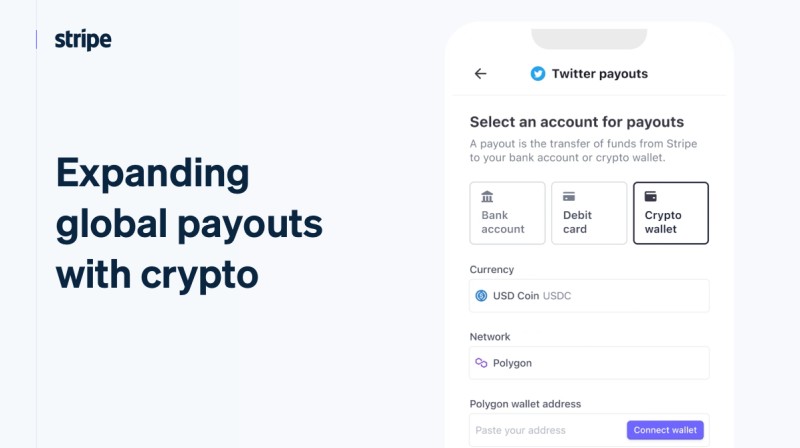
The source described a Stripe Connect pilot that let creators choose crypto payouts. Creators who joined could receive USDC through a wallet over the Polygon network. They could hold the balance, move it to Ethereum, or exchange it for another currency. Stripe handled the crypto work and identity checks.
Choices a vendor may need for a payout
- Hold the cryptocurrency in a wallet.
- Convert it to regular money through a gateway.
- Receive a normal bank payout instead.
- Opt in only when crypto payments suit that vendor.
The same idea can matter to manufacturers and distributors. Blockchain records may track goods, support cross-border payments, and help with contract checks. DeFi may also offer crypto-backed loans for equipment. But the source names price swings, legal uncertainty, technical limits, and user resistance as real barriers.
Choosing a gateway, exchange, and wallet
A payment gateway accepts merchant payments. Coinbase Commerce, BitPay, and NOWPayments were named as possible options. They may support Bitcoin, Ethereum, or stablecoins, process a payment, move funds to a marketplace wallet, or convert crypto into regular money. An exchange is different. It helps people buy or sell tokens.
Search terms can blur that line. cryptocurrency exchanges in the U.S. usually point to services for buying or selling tokens, and a U.S. crypto exchange does the same. If your question is how to purchase cryptocurrency or how to buy crypto , check custody, identity rules, fees, and supported assets before sending money.
Questions to settle before choosing a service
- Region: Confirm which countries the gateway serves and which local payment routes it supports.
- Token route: If a buyer uses a crypto exchange in the U.S. to acquire tokens, check that it supports the asset and network accepted by the marketplace.
- Commerce fit: Look for support for the platform and tools already used by the marketplace, such as WooCommerce or Dokan.
- Assets: Check supported coins, networks, wallet addresses, and conversion options.
- Custody: Decide whether a provider controls the wallet keys or the marketplace controls them.
- Money movement: Learn settlement times, fees, refund steps, and what happens when a payment fails.
- Due care: A page about buying cryptocurrency in the USA should name fees, custody, and identity rules. No search result can prove that the safest cryptocurrency exchanges are safe for everyone.
A payment method claim also needs a direct check. If a buyer wants to buy crypto with Amex or buy crypto with prepaid Visa , the provider must confirm that the method works for that buyer’s location and account. For a crypto purchase , record the asset, amount, date, wallet, fee, and any conversion to regular money. That record can help with support, tax work, and disputes.
Why crypto rules differ by place
A marketplace cryptocurrency business can cross several legal systems in one payment. The token, the transaction, the vendor, and the marketplace may each be treated under different laws. One country may call crypto property. Another may treat it as currency or ask whether a transaction was an investment contract.
Legal questions to settle before launch
- Which countries contain the marketplace, buyer, vendor, and wallet provider?
- Does local law treat the token as property, currency, a security, or part of an investment contract?
- Must the operator register as a virtual asset service provider?
- Which actions count as a taxable event?
- Will vendors receive crypto, regular money, or both?
- How will crypto-to-cash conversions and token transfers be recorded?
- Do smart contracts or token deals create extra duties?
“Don't treat diesel trucks like they're Pintos.”
A source report on an SEC roundtable showed a real dispute, not one final answer. Some people wanted all crypto assets treated as securities. Others argued that tokens with different uses should be judged one by one. The report also said later trading of an operating network may differ from selling a token before it exists. Legal and tax advisers should still check the facts behind each token and transaction.
KYC, AML, and identity checks
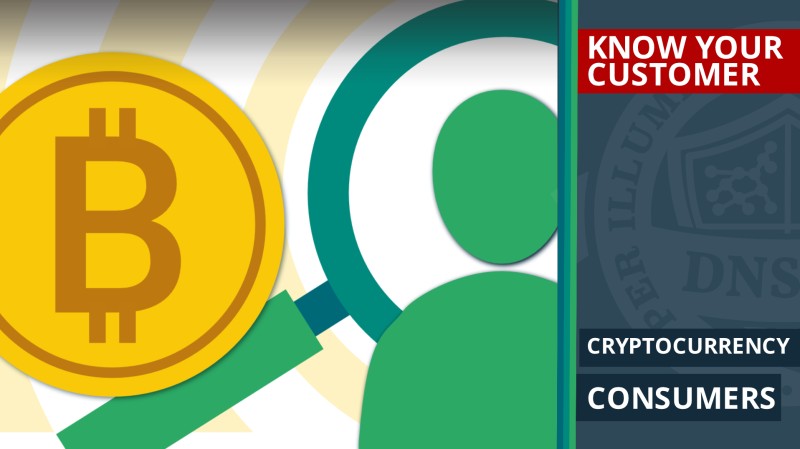
KYC means Know Your Customer. It confirms who a customer is. AML stands for anti-money laundering and focuses on money that may be hidden or used for crime. A marketplace cryptocurrency platform may need both because crypto can move across borders at high speed, which makes recovery harder when fraud occurs.
Common KYC levels and checks
- Basic: An email address or phone number.
- Intermediate: A government-issued identity card.
- Advanced: An identity card plus biometric or video checks.
- Ongoing review: Transaction monitoring and checks for high-risk behavior.
These checks are not a perfect shield. Criminals can use counterfeit papers or AI-made deepfakes. Rules also differ across countries, while some decentralized services sit outside normal oversight. The source points to firms such as TRM Labs and Chainalysis for tracing wallets and sharing risk data. Exchanges, analytics firms, banks, and law enforcement all need records from more than one source.
Scams, fraud, and irreversible payments
The Federal Trade Commission held a workshop on cryptocurrency scams because crypto serves as both money and an investment asset. The panel looked at how fraudsters work, why crimes are hard to spot, what signs may point to fraud, and how people can report problems. Consumer education was treated as part of the answer, not an extra job after the fact.
Limits of crypto security
- An account name does not prove who controls it.
- A blockchain entry does not prove that a product claim is true.
- A confirmed payment may not reverse like a card charge.
- KYC can fail when identity rules or documents are abused.
- A wallet, exchange, buyer, and vendor may sit in different countries.
“First came cryptocurrency. Then came the cryptocurrency crooks.”
Public records still help investigators. In the Silk Road case, the marketplace did not use KYC. The FBI used blockchain analysis and help from exchanges to trace funds tied to illegal sales. The founder was arrested, and the government seized about $1 billion in Bitcoin. That does not make every crypto payment safe. It shows why records, identity checks, reporting paths, and cross-border data sharing still matter.
When a small marketplace test makes sense
A small test is sensible when the marketplace has one clear pain that crypto might help. The goal is not to turn the whole business into a crypto platform. It is to test one payment or payout path, learn what breaks, and decide whether the result is worth keeping.
Signs that a limited test may fit
- Vendors operate in different countries.
- Bank payouts are slow or costly.
- Order and payment records often clash.
- Chargebacks, fraud, or disputes cause real losses.
- Commissions, refunds, or escrow releases need repeated manual work.
- Customers want another way to pay.
“A marketplace operator does not need to be a cryptocurrency specialist or operate a crypto-heavy platform.”
I would begin with one asset and one narrow flow, such as a vendor payout after a completed order. A marketplace cryptocurrency test should have clear wallet access, refund steps, identity rules, and records. Smart contracts can come later, using tools such as OpenZeppelin, thirdweb, or Chainlink. A first contract should do one simple job, not run the whole business.
A plain checklist before crypto payments go live
This is the pause I take before opening a new payment path. The goal is not perfect crypto. It is a small setup that people can understand, money that can be traced, and rules that do not change in the middle of a sale.
Marketplace cryptocurrency launch checklist
- Name the exact buyer, vendor, or payment problem the test will address.
- Check laws for every country connected to the buyer, vendor, platform, and wallet provider.
- Choose a gateway that supports the needed region, assets, networks, and commerce platform.
- Decide between a custodial wallet and a non-custodial wallet.
- Store private keys, recovery details, and access credentials in secure places.
- Set KYC, AML, and transaction monitoring rules for the platform’s risk.
- Offer crypto as an option while keeping normal payment methods available.
- Write the refund and dispute process before the first confirmed payment.
- Tell vendors how they are paid, how to protect a wallet, and when cash conversion happens.
- Keep records of token receipts, transfers, fees, balances, and conversions to regular money.
- Begin any smart contract with one clear task and test its failure points.
- Review the test with buyers and vendors before adding more assets, networks, or automated actions.
Comments on “What You Should Know Before Using a Cryptocurrency Marketplace”
No comments yet. Be the first to share your thoughts.