How to set up and use your decentralized wallet for crypto safely
What a decentralized wallet for crypto truly means
When you first hear about a cryptocurrency wallet that you control, it can sound strange. I’ve always found it helpful to picture a decentralized wallet for crypto as a tool that simply holds your private keys. Those keys are what unlock your coins on the blockchain. The wallet itself never holds the coins - it only stores the keys and lets you send or receive tokens. Some wallets are hardware devices that look like a USB stick. Others are software on your phone or laptop. The essential question is always: who controls the keys, and who can see them?
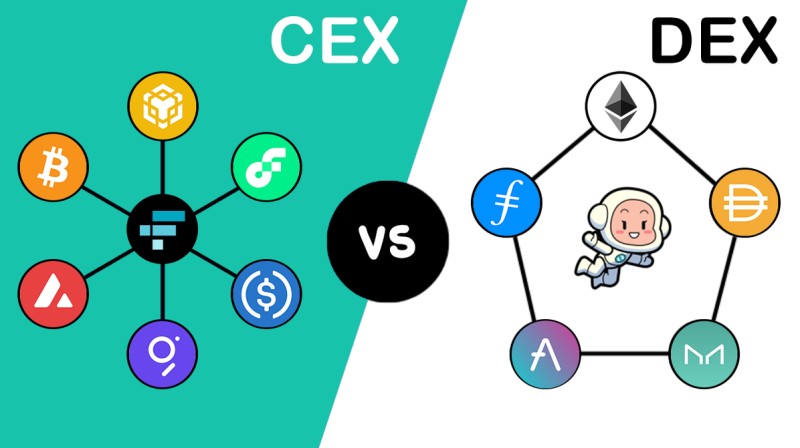
If you ask what a crypto wallet really is when it comes to staying in charge, the answer is a non-custodial one. That means the provider cannot touch your funds. Aurora Pass is one example: the company Aurora Labs has no access to your assets. Tangem AG makes only hardware wallets and non-custodial software, and they are not a bank or exchange. They do not hold or watch your assets. This stands in sharp contrast to a centralized exchange that keeps your coins in its own accounts, leaving you to trust they’ll give them back.
Not your keys, not your crypto.
That old rule remains true. A decentralized wallet for crypto gives you the power to move funds without asking permission. But with that power comes responsibility. You must protect your keys. If you lose them, no support line can help - that is the trade for true ownership. I find it helps to write the key on paper and hide it somewhere safe. The wallet is merely a door; the key is the house.
Why self-custody matters
After FTX collapsed, many people turned to self-custody. I understand why. Using a centralized exchange feels like using a bank: they hold your crypto and you trust them to keep it safe. Some operate on a fractional reserve model, meaning they keep only a portion of customer funds on hand and lend out the rest. That leaves them fragile if too many people try to withdraw at once. A decentralized wallet for crypto avoids this, because your coins stay with you and no one else holds the keys.
Ways custody differs
- A centralized exchange holds the keys, and you trust them.
- A non-custodial wallet lets you hold the keys alone.
- A decentralized exchange runs on smart contracts, not people.
- Self-custody means you accept all risk and retain full control.
When people search for the best crypto wallets , they usually mean ones that protect them from other people’s mistakes. Decentralized finance (DeFi) emerged as a way to cut out the middlemen. You trade or lend through code, and the code enforces the rules - not a firm. This shifts trust toward software, a profound change from banks. A decentralized wallet for crypto sits at the center of that shift because it holds the keys that let you use those protocols.
Don't trust, verify.
Hot and cold wallets for everyday use
A simple division exists in the world of a decentralized wallet for crypto: hot and cold. Hot means online, like a phone app. Cold means offline, like a hardware stick. I believe the safest and easiest crypto wallet setup uses both. Keep small spending money in the hot wallet, and larger savings in the cold one. That way, a stolen phone doesn’t empty your life savings.
Hot versus cold
- Hot wallets suit everyday purchases and small amounts.
- Cold wallets protect long-term holdings from online threats.
- Hot wallets face greater risk from compromised devices.
- Cold wallets require physical care so you don’t misplace them.
The zero-trust model suggests you verify every device before a transaction. You can use multi-device approvals for sensitive moves. Splitting usage by wallet type segments your risk - if one part is hit, the other remains safe. A decentralized wallet for crypto works best when you plan this ahead. I keep a small hot wallet for coffee purchases and a cold one for the rest. It feels calm.
Smart wallets and account abstraction
Newer varieties called smart wallets add rules to your decentralized wallet for crypto. They use account abstraction. Older blockchains kept user accounts and contract accounts separate. Now wallets can behave like small programs. You can set limits, such as a daily spending cap. Some wonder about the best crypto wallet in the USA , but features matter more than location. A smart wallet can request a second device sign-off for large transfers.
Smart wallet features
- Programmable spend limits by time or amount.
- Multi-device confirmation for large transfers.
- Social recovery through trusted friends.
- Session keys for temporary app access.
This technology brings convenience, but also a new layer of trust in code. Early crypto from 2009 to 2015 was simple: key equals control. Lose the key, lose the money. Now software bugs can bite. Still, a decentralized wallet for crypto with smart rules can help a beginner avoid silly errors. Time locks can delay a transaction until a set hour. Just remember the code is written by people and audited by others. If the code fails, you may find no help waiting.
Zero-trust security basics
Zero-trust is a mindset for using a decentralized wallet for crypto. It assumes risk is always present. Every action - connecting to a dApp or approving a token - gets checked. Bad actors fake sites to steal assets. So wallets now offer granular permission control. You should audit approvals often. Protocols run modular checks on each path. Bridges and groups like DAOs use layered controls to curb internal and external attacks.
Every action request will first confirm the user, device, domain, contract address, on-chain bytecode, etc., before proceeding.
Crypto runs on decentralized architecture, which lacks a single point of failure. But you still trust devices and interfaces. Zero-trust removes the notion that any part is safe by default. It forces checks at each step. This protects your decentralized wallet for crypto from silent attacks. For example, a wallet should confirm the data source is legitimate. A dApp should check every request path. A bridge must prove its state rather than assume it. That is how you stay safe.
Keeping your private key safe
I want to show how to get a crypto wallet of your own and guard its key. The key is a string of words called a recovery phrase. Aurora Pass encrypts it in your device’s secure area. You open it with a PIN or face ID. You can export the key if you wish, but that isn’t required. Other wallets may force export; Aurora Pass does not.
Key safety steps
- Write your recovery phrase on paper, never screenshots.
- Never share the phrase with anyone who asks online.
- Use device biometrics to lock the wallet app.
- Store a backup in a separate physical location.
A decentralized wallet for crypto is only as safe as that phrase. If a thief gets it, they get the coins. No bank can reverse it. So treat the phrase like cash hidden under the floorboard. Quiet and careful wins. I also suggest you test recovery on a spare device before moving real funds. That way you know the phrase works. The phrase is the only way back if your phone drops in the lake.
Using decentralized wallets with dApps and DEXs
You can trade using a decentralized wallet for crypto directly with decentralized exchanges. These use smart contracts instead of a central desk. Two main methods exist. An order book lets you pick a price and wait for a match. Automated market making uses pools funded by the community. Each purchase nudges the price up, and fees go to the providers. The contract denies the trade if the terms break.
A wallet for Binance is not needed if you use a self-custody DEX. Your coins stay in your wallet during trades. The contract simply matches the swap. This removes the need to trust a person. But know that some behind-the-scenes parts, like oracles, can fail. Zero-trust says check dependencies. Smart contracts get audits, but bugs remain possible. A decentralized wallet for crypto keeps you in the loop because you sign each step.
If both parties do what is agreed upon, and nobody tries to pull anything fishy, the transaction will go through.
WalletConnect and Trust Wallet setup
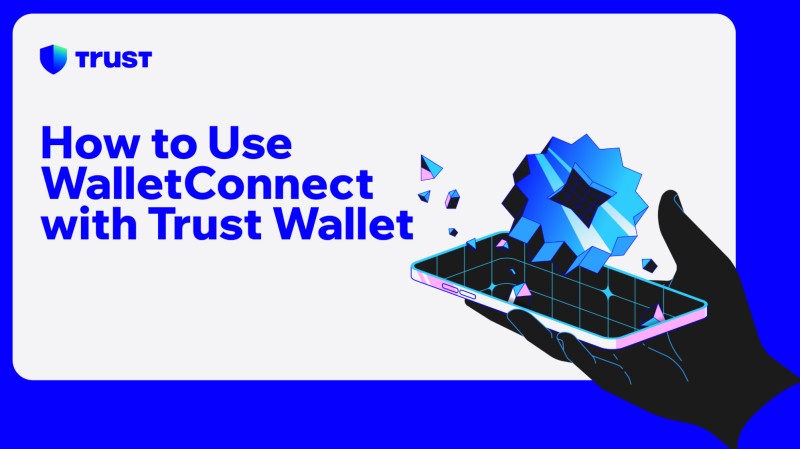
WalletConnect is a free protocol that links your decentralized wallet for crypto to apps. It creates a secure session via QR code. Your keys stay in the wallet app. Trust Wallet supports it. You can reach DeFi and NFT markets without sharing secrets. This open-source tool bridges the gap between wallets and dApps with explicit approval per transaction.
Connect steps
- Install Trust Wallet from the app store.
- Open the dApp in your browser.
- Tap Connect Wallet and choose WalletConnect.
- Scan the QR code with your phone and approve the link.
After you finish, disconnect in settings. This keeps your decentralized wallet for crypto from staying open to a site. It’s a small habit that saves grief. I always log out after a swap. You can manage sessions under Settings, then WalletConnect. Disconnect after use for security. Cross-device convenience means you can scan from desktop to mobile with ease.
Aurora Pass and Base app options
Aurora Pass is a non-custodial wallet that signs you in with email or Google. It gives 50 free transactions each month. Extra packs cost a few dollars. You can create a free crypto wallet there quickly. The Base app is a US-based crypto wallet that builds an account for you automatically. It uses USDC for tap payments and includes a social feed.
Wallet choices
- Aurora Pass: easy sign-up, free monthly transactions.
- Base app: social feed, mini apps, USDC pay.
- Trust Wallet: broad dApp access via WalletConnect.
- Tangem: hardware for cold storage lovers.
A decentralized wallet for crypto should fit your day. If you travel, a phone-based one may help. If you hold large sums, hardware is wise. The point is that you own the keys, not some distant office. Base Chain is a fast, low-cost network that makes such wallets quick. Your keys, your crypto is the base idea. I like that they give free transactions to start; it lowers fear.
Centralization you should know about
Even with a decentralized wallet for crypto, some backend parts remain centralized. Most wallets call remote nodes like Infura or Alchemy to read chain data. MetaMask shows balance via Infura, NFTs via OpenSea API. Your keys stay local, but the view comes from big servers. If OpenSea hides an NFT, your wallet won’t show it. This reveals a pull back toward central platforms.
Hidden centers
- Node providers supply blockchain data to apps.
- APIs from marketplaces shape what you see.
- Relayers can sponsor gas but control the flow.
- Bridge validators may act as single points.
This does not kill the idea of self-custody. It just means you should stay sharp. A decentralized wallet for crypto is free from being held by others, yet tied to infrastructure. Know the limits. Many wallets cannot join chain consensus on a phone, so they talk to a server. The blockchain can’t truly live on a mobile device. That remote call is where central bits creep in.
Decentralized identity wallets
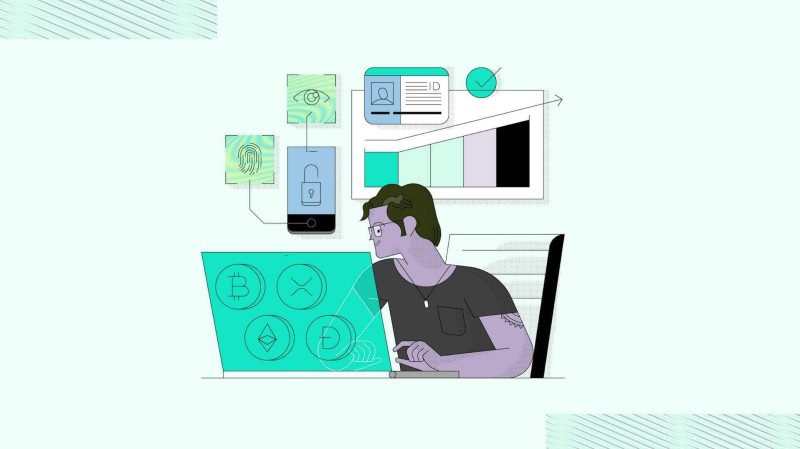
A sibling idea is the decentralized identity wallet. It stores your credentials, not coins. But the model mirrors a decentralized wallet for crypto: you own the data. You show only what’s needed. Biometrics or a PIN protect it. This cuts the large breach risk from central databases. You receive verifiable credentials from issuers and present them to verifiers.
You can create many decentralized identifiers for jobs or personal use. They live on chain as public metadata only. A decentralized wallet for crypto and an ID wallet share the same spirit: the user is in control. I like that consistency. Centralized identity stores data in one spot where hackers love to strike. Decentralized puts it in your pocket. Selective disclosure means you share a birth year, not the full license.
How to get started step by step
You might still ask which crypto wallet is best for a first try. I say pick one with a clear backup. Aurora Pass or Trust Wallet are fine. The steps below work for most non-custodial apps. Read the screen before you tap.
Beginner steps
- Download the wallet app from the official store.
- Create a new wallet and note the recovery phrase.
- Store the phrase offline, never in email.
- Connect to a dApp only when needed.
A decentralized wallet for crypto takes minutes to set up. Do not rush the phrase backup. That one sheet is your whole claim to funds. Treat it like a house deed. I suggest you write it twice and keep one with a friend. Then send a tiny amount to test receiving. Small steps build real skill without fear.
Common beginner mistakes to avoid
I see the same errors repeat. People skip the phrase backup. They leave the wallet linked to a site after a trade. They never check token approvals. They think a trusted interface stays safe forever. A decentralized wallet for crypto needs ongoing care. Smart wallet code can have bugs, so don’t assume it’s flawless.
Mistakes to dodge
- No secure backup of the recovery phrase.
- Leaving a WalletConnect session open after use.
- Not auditing token approvals on a schedule.
- Assuming smart wallet code has no bugs.
This blurs accountability.
Hey, don’t skip this part: if the system fails, you bear the loss. So learn the tool before moving real money. A test send of a small amount builds confidence. A decentralized wallet for crypto gives freedom but has no refund desk. I tell friends to pretend the screen is a vault door. Once open, anyone with the phrase walks in.
Picking the right wallet for your life
Choosing a decentralized wallet for crypto is personal. Think about your phone, network access, and who can help if you’re locked out. Social recovery needs trusted friends. Cloud backup needs good internet. Rural spots may lag. Designs often favor the tech-savvy, so be honest with yourself. A migrant or someone in a conflict zone may lack stable contacts for social recovery.
I hope this clears the fog. A decentralized wallet for crypto is not magic. It is a responsibility with freedom attached. Start small, learn the ropes, and keep that phrase safe. You’ve got this. The right pick fits your real life, not an ad. If you hate tech, a simple hardware wallet with paper backup may beat a fancy smart one. Listen to your own needs.
Your keys, your crypto.

Comments on “How to set up and use your decentralized wallet for crypto safely”
No comments yet. Be the first to share your thoughts.