
How to Find the Best Mining for GPU That Fits Your Rig
Choosing the Best Mining for GPU
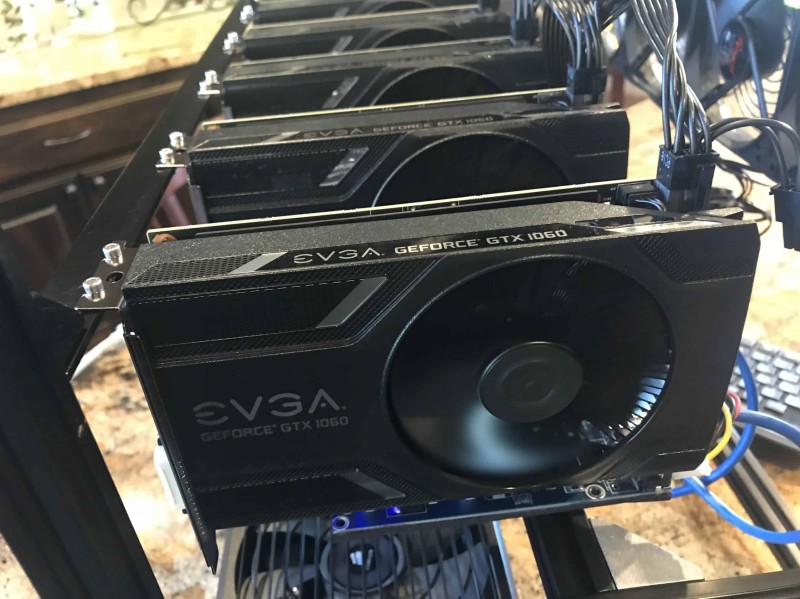
Not sure which card to buy? I’ve stood in that exact spot. Here is how I look at the best mining for gpu that respects your budget and your power limits. The short answer is quiet: you need to compare a few key numbers. Hash rate, price, and power draw are the big ones. I’ll walk through these so you can choose a card that actually works for your setup. My goal is to keep this plain and useful, no fancy talk.
Before we get to models, let me touch on the meaning of a cryptocurrency miner for folks new to this. A miner is just a machine that runs math to help secure a coin network. For many coins, a graphics card - also called a GPU - is the tool of choice. That is why we talk about the best mining for gpu as a real buying decision. You are not just grabbing a toy; you are picking a small factory for coins.
What the Numbers Mean
When you shop for a card, you will see hash rate written in MH/s. That is how many millions of math puzzles the card solves each second. Higher is faster. Power draw is in watts. That is how much juice it pulls from the wall. The trick is to balance these two so you do not burn more cash than you make.
You also want to know the hash per watt. Some call this the most efficient crypto miner metric. It is just the hash rate divided by power draw. A card that gives more hash for less watt is kind to your electric bill. I care about this a lot because power is not free for most of us. A fast card that eats watts can still lose money after the bill comes.
Let me say it plain: the best mining for gpu is not the one with the biggest hash number on the box. It is the one where the hash, the price, and the watts line up with your own situation. Keep a notebook when you compare. Write down what you pay for power and what you can spend on a card before you read specs.
Why Most Skip GPU Mining Now
Top GPU Models for Mining
One set of tests ranked several cards by their raw hash and power use on the DaggerHashimoto algorithm. The list below shows the top picks from that data. These are older models but the math still teaches the lesson of what to look for in the best mining for gpu. I like to use them as a clear example because the numbers are simple and easy to read.
Cards compared by hash and power
- RTX 3060 Ti - about 60 MH/s at 130W, strong hash per watt and good price
- RTX 3070 - around 60 MH/s at 130W, similar to 3060 Ti but cost more
- RTX 3080 - near 98 MH/s at 220W, fast and still okay on power
- AMD Radeon VII - about 80 MH/s at 190W, the lone AMD on the list
- RTX 3090 - 120 MH/s at 285W, the king of raw speed but price is high
The RTX 3060 Ti sat at the top for hash per watt. The write up said it was the best mining GPU regarding efficiency, and it had a faster return on money spent than the 3070. That is the kind of detail you want when hunting the best mining for gpu. A small card beat a bigger one because it sipped power.
RTX 3060 Ti is the best mining GPU regarding efficiency.
Look at the RTX 3090 at the bottom of the efficiency view. It hashes 120 MH/s, a huge number, but needs 285W. If you have cheap power, great. If not, the cost eats you. This is why I tell friends to match the card to the bill. The RTX 3080 was called a great gaming and mining card, almost 100 MH/s at 220W. The Radeon VII could reach up to 100 MH/s under some conditions and runs 4K games fine. The RTX 3070 hashes about 60 MH/s and draws just over 130W, a solid pick for both play and mine.
How to Use ROI to Compare Cards
ROI means return on investment. It tells you how long a card takes to pay back its own price from mining profit. Lower ROI time is better. You can use this metric when deciding what GPU to buy, but know that daily profit changes, so the time is a guess, not a promise. The coin price moves and power cost moves with season and region.
The simple formula is ROI = GPU price divided by (daily profit minus electricity cost). Another straight method is price per MH/s. You take the card price and divide by its hash rate on a given algorithm. This one is accurate if you compare the same algorithm across cards. Don't mix DaggerHashimoto numbers with another coin's numbers because the hash rates differ by coin and that ruins the compare.
Steps to figure price per hash
- Pick the card and note its price from the store or used market
- Find its hash rate on one algorithm (like DaggerHashimoto) from a test
- Divide price by that MH/s to get cost per unit speed
- Compare only same-algorithm numbers across cards to be fair
I use price per MH/s a lot because it cuts through the noise. If one card costs $400 and does 60 MH/s, that is about $6.67 per MH/s. Another at $700 for 98 MH/s is about $7.14. The cheaper per hash wins unless power kills it. The best mining for gpu often is the lower cost per speed when watts are close. Some sites offer a profitability calculator where you pick your card, power price, and card cost. That tool does the ROI math for you. I still like doing it by hand once to understand the parts.
AMD or NVIDIA for Your Rig
People ask me AMD or NVIDIA? From the data, NVIDIA cards can mine more different algorithms well. They handle coins like Ethereum, Ravencoin, Ergo, and Conflux. AMD can do Ravencoin and Ethereum fine but is less versatile. So NVIDIA may be more future-proof for cryptocurrency mining online across coins.
But do not sleep on AMD. New algorithms could favor them later. The best mining for gpu for you might be whichever you can find at a fair price. Supply swings hard. One line from a source said NVIDIA seems more versatile but AMD can mine certain coins quite well. I say buy what you can get without paying silly markups. If you want to be ready for many coins, NVIDIA gives a wider door. If you only care about one coin and AMD is cheap, take it.
Either way, check the hash per watt first. A card that mines two coins is worth less if it drinks power. I lean NVIDIA for the broad use, but my wallet decides in the end.
June 2026 Mining Profitability Across GPU ASIC CPU
What If You Have Cheap Power
If you get power from solar or pay very little (under about 6 cents per kWh), the math flips. You can pick a hungry card like the RTX 3090 and not cry over the wattage. One source joked about a student dorm not being free power, so be careful before you rack up a 5kW farm in your room. That would get you kicked out fast and maybe trip the breaker.
For most of us, though, the power bill matters. That is why the best mining for gpu for a normal home is often the one with good hash per watt, not the fastest beast. I live in a place where power is not cheap, so I lean to the 3060 Ti class. Free power changes the game. If you truly have it, then raw hash rate is your only target. But be honest about your bill before you buy.
Solar setups can make a big card sane. A friend with panels runs a 3090 and laughs at the grid. Without that, the same card is a money pit. Know your source.
New or Used GPU Cards
Some worry used mining cards are worn out. The data says that is generally not true. If the card was kept clean, below 70°C, and fans ran under 60% speed, it can keep hashing for years. A known history lowers your risk. Maybe makers should track temps in BIOS like cars track miles, but until then, ask the seller for details.
One user shared they bought a rig with three RTX 3090 cards at a modest sum, showing the used market can surprise you. When you seek the best mining for gpu, a clean used card may save cash. Just check the temps it ran at. If the fan sounded like a jet, walk away. I have bought used parts before and had good luck. The key is to test the card for a day before trusting it. Run a stress and watch the hash and temp.
A card with a clean record is gold. You skip the markup and still get the speed. But if the seller is vague, that is a red flag for me.
Older Vs Newer Generation
Planning to resell later? Newer lines like RTX 3000 or RX 6000 stay competitive for games after a few years. If you only mine and never sell, pick the card with best ROI, even if older like RX 5000 or RTX 2000. But avoid GTX 1000 or RX 500 series for mining. The GTX 1080 Ti used to hit 55 MH/s and now barely does 45 because the DAG size grew.
That drop shows why chasing the least expensive crypto hardware that is too old can backfire. The best mining for gpu balances age, price, and staying power. A card that loses hash over time is a bad bet. If you will mine for a year and then sell, get new gen. If you will mine till it dies, get the best ROI even if last gen. Simple as that.
Resale value is real. A card that plays games keeps value. A card that only hashes and is old may gather dust. Think ahead.
Know Your Real Electricity Cost
Your power bill is not just the stated kWh rate. Most places charge for electricity plus network fee plus tax. So divide the total invoice by the kWh used to get true cost. Bob used 3000 kWh, saw a stated 6 cent rate, but his bill was $320 not $180. His real cost was about 10.6 cents per kWh.
This matters because ROI math needs the true number. If you miss this, your best mining for gpu pick might look better on paper than in real life. I always ask for a past bill before I guess my cost. Do not trust the headline rate. Write your real cents per kWh on a sticky note by your desk. You will use it every time you compare cards.
VAT and line charges hide in plain sight. A cheap stated rate can lie. The invoice tells the truth if you divide it right.
Set Your Mining Goals First
A good step is to ask what you want. Is it max profit? Max speed? Or just fun? The answer changes which card is the best mining for gpu for you. One writer from years back broke this down well, and I still think it is solid advice for any new buyer.
Common mining goals
- Speed: get the highest hash rate no matter the cost or power
- Profit: best mix of hash, price, and power for ROI
- Fun: buy what you can afford and tinker with clocks
- Balance: mix fun and profit like a showpiece rig
If you approach it like that then things won’t matter as much in the end.
That quote reminds me that mining can be a hobby, not just a money printer. Still, if profit is your game, the numbers above rule. The writer also said fun first, profit second, and I like that. Stressing over cents is no way to live. One extreme example from that writer: a rig that costs fifty thousand dollars can mine with huge hash but takes years to pay back and may need an electrical panel upgrade. That is speed goal taken to the edge.
When I started looking, I wanted a bit of both. A card that pays back but also looks neat in the room. That middle ground is where many land. Define your goal before you click buy.
A Look at GTX 1060 and Titan V
As a historical example, back when GTX 1060 was common, it was praised for low power and decent hash around 22-27 MH/s at 90-100W, costing about $250. Break-even was maybe 3.5 months. On the other end, the Titan V hit 82 MH/s but cost $3000 each, taking over a year to break even. Six of those cards would give near 492 MH/s but set you back eighteen thousand dollars. That shows the best mining for gpu is not always the fastest.
The write up noted the best GPU for mining is sometimes the one you can actually acquire at any given time. Demand shifts prices. Keep that in mind when you shop. If the good card is out of stock, a decent second choice may be your real best mining for gpu. The GTX 1060 was called a clear winner on price and power, while the Titan V was a monster that only made sense if profit was not the point.
The best GPU for mining is sometimes the one you can actually acquire at any given time.
I saw this myself when cards vanished from shelves. The plan meant nothing if the store was empty. Be flexible but keep the numbers in hand. A card you can buy today beats a dream card next year.
Building a Budget GPU Rig for XELIS Mining
Watch Out for Mining Rushes
A new coin can spark a GPU rush. One called Pearl used matrix math for AI as its proof, and only Nvidia cards could mine it. At first a top card showed high daily revenue, but as more miners joined, difficulty climbed and per-card payouts dropped fast. This is a pattern in mining booms. The early bird gets worm, the late crowd gets crumbs. Most of that rush ran on rented cloud cards, not home rigs.
The lesson for finding the best mining for gpu is that a hot new coin may skew card prices or hopes, but the base math of hash, power, and price still protects you. Don't chase hype without checking the numbers. If a coin says it needs only Nvidia, that may limit your card choice, but the card still must make sense at home. The Pearl case also showed that a coin's payout can fall by half in a short span as network difficulty rises. That is not a card fault, it is the game.
Not All Crypto Mining Needs a GPU

Some coins use CPU or storage instead. Monero encourages CPU mining on things like a Raspberry Pi, so even a small board can join a pool. Tested boards showed a Pi 3 at 20 H/s, Pi 4 with 1GB at 45 H/s, Pi 4 with 4GB at 99 H/s, and a Jetson Nano at 62 H/s. Filecoin uses storage power and only taps GPU for certain proof steps, not for raw hash competition. So if you research how to start cryptocurrency mining , know that GPU is just one path.
Small board hash rates for fun
- Raspberry Pi 3 - 20 H/s
- Raspberry Pi 4 1GB - 45 H/s
- Raspberry Pi 4 4GB - 99 H/s
- Nvidia Jetson Nano 2GB - 62 H/s without GPU
For folks wanting best crypto miner app or a best cloud mining app for android , those are different from buying a card. And some look for a best geo mining app or best mining hosting service to run gear offsite. Those options exist, but this post stays on the best mining for gpu you plug in at home.
The Filecoin case is clear: they say mining there is based on storage, not GPU power. You still might use a GPU to make proofs, but the block rewards come from storage pledged. That is a different world from picking the best mining for gpu for Ethereum-style coins. Monero's CPU path is neat for learning, but the hash is tiny next to a real card.
Buying Tips for the Best Mining for GPU
Let me sum the checks I use. First, know your power cost true rate. Second, pick a goal: profit, speed, or fun. Third, compare hash per watt, not just hash. Fourth, use ROI and price per MH/s. Fifth, consider new vs used and resale. A profitability calculator can help but understand the inputs.
My quick check list
- Write down your real electricity price per kWh
- Note the card hash rate on the coin you will mine
- Divide price by hash to see cost per speed
- Check the card's power draw and your cooling
- Decide if you will resell or keep until death
Following these keeps you from buying a dud. The best mining for gpu is the one that fits your rig and your wallet. I keep this list on my phone when I browse shops. If a card fails one item hard, I skip it. No card is perfect, but the list shows the weak spots fast.
Why I Like the Mid Range
For my money, cards like the RTX 3060 Ti or 3070 make sense. They give good hash at low watt. You do not need a $3000 beast to learn the ropes. If you want to be one of the best solo miners , you still need to watch the same numbers. Solo just means you mine alone, but the card math is same. Noise matters too. A huge card with loud fans can drive you nuts in a small room.
I hope this helps you sort the noise. Mining is fun but the math is the boss. Keep it simple, check the watts, and you will find the best mining for gpu for your case. Don't let forum fights tell you otherwise. A calm look at the numbers beats a loud opinion every time.
Quick Note on Bitcoin Machines
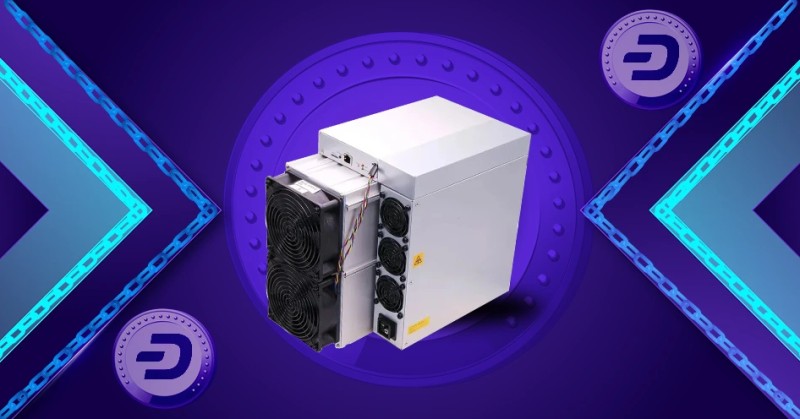
If your eye is on Bitcoin, those use ASIC boxes, not GPUs. That is a different beast with its own efficiency race. But for coins that need graphics cards, the best mining for gpu talk above holds. Don't cross the two. An ASIC is built for one job, a GPU is flexible and can also play games or do other work.
Filecoin mining is not Proof-of-Work GPU mining.
That quote from storage mining folks shows not every network rewards GPU hash. Good to know so you don't buy a card for the wrong chain. Stick to coins that need graphics, and use the steps here to pick the best mining for gpu you can. A wrong guess on chain type wastes your cash, so read before you buy.

Comments on “How to Find the Best Mining for GPU That Fits Your Rig”
No comments yet. Be the first to share your thoughts.