
How Do You Create a Cryptocurrency Without Being a Tech Expert? A Clear, Calm Guide

What Creating a Cryptocurrency Means
Some topics feel locked behind a wall of jargon. I want to walk through how do you create a cryptocurrency in plain words. Many people feel lost when they first encounter crypto. If you’ve ever searched for a beginner’s view of cryptocurrency , you know that quiet confusion. At its core, crypto is simply digital money that uses mathematics to stay secure. It is not the same as the digital currency banking most of us know run by large banks. Instead, it lives on open networks where no single institution pulls the levers.
The question at the heart of this is still how do you create a cryptocurrency. You can do it without writing a single line of code. The sources I’ve read suggest you can use ready-made platforms or build from absolute zero. Either path asks for a basic grasp of blockchain - the shared ledger that records who owns what. When I first learned how blockchain operates in cryptocurrency , it felt like magic. In truth, it is just a list copied across thousands of computers.
A little history helps. Bitcoin emerged in 2009 under the name Satoshi Nakamoto - a person or perhaps a group. It was the first of its kind. Since then, thousands of coins and tokens have appeared. The barrier to creating one has dropped so low that a teenager with a few dollars and a phone could launch one. Yet building something that actually matters remains demanding work.
What to Know Before Creating a Cryptocurrency
Bitcoin and Crypto Basics
Bitcoin and siblings like Litecoin, Ethereum, and Zcash are digital, decentralized, and verified. Digital means they exist on the internet rather than as paper bills. Decentralized means no central bank issues them; they rely on a peer-to-peer network of ordinary machines. Verified means every transaction is logged in a public ledger called blockchain, making it impossible to spend the same coin twice.
Some use crypto to buy goods. Privacy is a draw, and fees are often lower than credit cards. Others simply hold it as an investment. A Federal Reserve survey found roughly 7 percent of Americans had used or held crypto. A 2015 PwC survey showed 83 percent were only slightly or not at all familiar with it. That gap is narrowing, but the terrain still feels new to many.
Cryptocurrency is a tool to create a movement for a more transparent, trustworthy, and democratized financial system.
I find that view compelling. This isn’t merely technology; it’s a bet on a different way to handle money. Still, one must respect the risks. Bitcoin’s price has swung violently. In 2017 it rose 150 percent in a year, yet dropped 19 percent in three days. That volatility is not theoretical - it’s real.
Coins vs Tokens: Know What You Build
Before beginning, it helps to see the divide between a coin and a token. A coin owns its blockchain. Bitcoin is a coin. Ethereum is a coin. They run independent networks with their own rules. A token lives on an existing blockchain. USDC is a token on Ethereum, borrowing the security of its host chain. For most people wondering how do you create a cryptocurrency, a token is the wise starting point.
Coin vs Token Features
- Development time: A coin demands 6 to 18 months. A token, merely days to weeks.
- Cost: A coin runs $50,000 to $500,000 and beyond. A token sits between $5 and $50,000.
- Technical skill needed: Coins require expert-level ability. Tokens ask for beginner to mid-level.
- Who handles security: With a coin, you alone. With a token, you share it with the host chain.
- Transaction fees: Coins keep fees within their own network. Tokens pay the host blockchain.
- Examples: Coins include Bitcoin, Ethereum, Solana. Tokens include USDC, Uniswap, Chainlink.
Validate first. Build infrastructure second.
That quote captures the essence. Many large projects like Chainlink began as tokens, then migrated to their own chain once the idea was proven. So when you consider how do you create a cryptocurrency, picture building a token first. You bypass the heavy labor of network consensus and node maintenance.
Three Ways to Make a Cryptocurrency

There are three main paths. The first is building an entirely new blockchain from scratch. That is deep work - you write your own rules, your own network code, and handle the mathematics yourself. Satoshi spent years on Bitcoin before the world noticed. The second is forking an existing blockchain: you take open code and modify it. Litecoin did exactly this with Bitcoin’s code. The third is creating a token on an existing chain. This is the fastest; you write a small smart contract and deploy it.
Anyone can create a cryptocurrency. The actual process of launching a token has gotten so simple that it is almost boring.
That line comes from the source, and it rings true. Yet a simple launch doesn’t guarantee anyone will care. Most of the 50 million tokens in existence do nothing at all. One launchpad analysis found 98.6 percent of its tokens collapsed in pump-and-dump schemes. So the hard part isn’t the technology - it’s making something useful. How do you create a cryptocurrency people actually want? You start with a genuine purpose.
Why Most Beginners Should Make a Token
If you’re new, I’d point you toward a token. You skip the hardest parts: consensus, networking, and protocol-level security. You free yourself to focus on what your project does. Building your own blockchain only makes sense if existing platforms can’t meet your needs, and you have a team plus funding. For an individual or small group, a token is the path. This keeps the question of how do you create a cryptocurrency within reach.
Think of a coin as building an entire road from nothing. A token is driving on an existing highway. You pay a small toll, but you move quickly. Chainlink, BNB, and Tron all started as tokens on Ethereum. They migrated later, once real users arrived. That is the smart play for most new crypto projects.
Quick Token Creation on SUI with SUICOINS
Step by Step: Making a Token on Existing Chain

First, define your purpose and tokenomics. Don’t just say “I want a token.” Say what it does. Is it for voting? Payments? Access? Consider total supply, distribution, and whether tokens get burned. Write a short paper explaining the problem and your solution. Keep it readable for a thoughtful friend outside crypto.
Next, choose where to deploy. This decides speed and cost - we’ll examine platforms below. Then pick a token standard and build the smart contract. Standards like ERC-20 are templates; they tell wallets how your token behaves. You can use audited code from OpenZeppelin. For Solana, the SPL standard works. Tools like Smithii let you launch without writing Rust. smart contract applications are the core here - you deploy code that follows the rules.
After writing the contract, test it on a testnet - a free copy of the real chain. Break things on purpose. See what happens if someone sends zero tokens. Then get an audit if real money is involved. Finally, deploy to mainnet and verify your code on a block explorer. Submit your token info to listing sites. None of this is automatic, but each step is clear.
Picking a Blockchain Platform
Where to Deploy Your Token
- Ethereum: ERC-20 standard, average cost $1–$10, speed ~15 sec, largest DeFi ecosystem.
- Solana: SPL standard, cost ~$0.00025, speed ~400 ms, suited for meme coins and low cost.
- BNB Chain: BEP-20 standard, cost ~$0.05, speed ~3 sec, large Asia-focused user base.
- Polygon: ERC-20 L2, cost under $0.01, speed ~2 sec, Ethereum compatible.
- Avalanche: ARC-20 standard, cost ~$0.05, speed ~1 sec, subnet model.
- Cardano: Native tokens, cost ~$0.10, speed ~20 sec, research-driven.
When you decide, remember that what a blockchain does is store your token’s rules and movements. Ethereum offers deep liquidity. Solana often lets you create a token for under $5. Choose based on your needs, not hype. A congested Ethereum period might cost $50 to $200 to deploy, while Solana stays under $5. That difference matters for a small project.
Smart Contracts and Standards

A smart contract is simply a program on the chain. It holds the token logic. Using a known standard means every wallet and exchange knows how to speak to it. You don’t write from zero. OpenZeppelin publishes audited contracts; you import, set name, ticker, supply. For extra features like a trade tax, you need a real developer - bugs hide in those corners. I care about this because smart contract applications can lock value, and a flaw means loss.
No-code tools exist as well. The Ethereum wallet app lets you create an account with a password. You can switch to a testnet and mine fake ether to test. Then go to the contracts page, deploy a new contract, paste token code, pick MyToken, set supply 10,000, name, symbol, decimals. Press deploy, wait a minute, and you own all shares. You can send them to friends. This is a real way how do you create a cryptocurrency without deep coding.
Testing on a Testnet First
Testnets are free mirrors of the real chain. You deploy there with fake coins. Break things on purpose. See what happens if someone sends zero tokens. Smart contract code is permanent on mainnet; you can’t patch it easily. In one year, crypto projects lost $3.4 billion to hacks. Most came from contract bugs a test would have caught. So, don’t skip this part.
Extra week testing catches vulnerability.
The Bybit breach alone reached $1.5 billion - the biggest single hack in crypto history per Chainalysis. North Korean groups took a huge portion of the yearly total. If your contract holds value, it is a target. Testnets cost nothing. Mainnet exploits cost everything.
Getting a Security Audit
An unaudited contract holding real money is an open door. Audit firms read your code for bugs. Automated scans cost less but miss deep issues; human auditors find the rest. For a basic token, a small audit might run $3,000 to $15,000. For complex DeFi, you pay $25,000 to $200,000. If your contract merely transfers and mints, basic is fine. If it talks to other protocols, pay for real review.
Set up a bug bounty the day you deploy. White hats find flaws for a fraction of exploit cost. Services like Immunefi connect you with researchers. Also use multisig wallets so no single key controls minting or upgrades. Require 3 of 5 signers. That way one leaked key doesn’t sink you.
Cost to Create a Cryptocurrency
Breakdown of Costs
- Token contract: DIY free if you code; hire $5,000–$30,000.
- Security audit: DIY automated $3,000; hire $25,000–$200,000.
- Legal advice: DIY nothing at risk; hire $10,000–$50,000.
- Website and docs: DIY $100 with templates; hire $5,000–$15,000.
- Marketing first 3 months: DIY free if organic; hire $15,000–$150,000.
- Exchange listings: DIY free on DEXs; hire $10,000–$300,000 for CEX.
- Rough total: DIY around $3,000; professional $70,000–$745,000.
The cheap path is to code your own ERC-20, run a scan, list on Uniswap, and promote organically. A few thousand dollars. The professional path runs into six figures done properly. Either way, how do you create a cryptocurrency depends on your goal and care for safety. Don’t pour money into marketing before the contract is solid.
Keeping Your Crypto Legal
Launching a token is legal in most places. Selling it to the public without following securities law gets messy. In the US, a law called the GENIUS Act forces stablecoins to be backed by dollars or low-risk assets. The SEC tests tokens under the Howey test. If buyers expect profit from your work, it might be an unregistered security. Get a lawyer who knows crypto law.
You also face AML/KYC rules. If you run a place where people buy, you likely need identity checks. Tax reporting now uses Form 1099-DA for crypto sales in the US. The OECD has a reporting framework for cross-border. The Travel Rule asks providers to share sender and receiver info. None of this is optional, so plan early. A mistake here costs more than a developer fix.
Step-by-Step Solana Token Creation via CLI
Promoting Your New Token
A perfect token goes nowhere if nobody knows. Start the community before launch. Get on Twitter or Discord, share your paper, ask for feedback. Anonymous teams are harder to trust. Show faces if you can.
What Works for Promotion
- Shipping in the open: post dev updates, admit when stuck.
- Real partnerships: integrate with existing protocols, not just promo.
- Thoughtful airdrops: reward real users, not random dumpers.
- Education: write about the niche, build credibility over time.
Creating a cryptocurrency yourself does not require being a coder; you can use existing platforms or build from scratch, and you can keep your new coin secure with proper measures.
That source line reminds me that promotion is not just hype. Paid influencer shills and fake follower counts don’t build trust. Promises of guaranteed returns can land you in legal trouble. Real traction comes from a product people use. Talk to your community often after launch.
Security Mistakes That Hurt Projects
Common Security Errors
- Skipping audit: hackers steal billions yearly; if contract holds value, it is a target.
- Single key controls all: one wallet can mint or pause; use multisig like Gnosis Safe.
- No bug bounty: white hats find flaws cheap; set up day you deploy.
- No upgrade plan: immutable contracts are awful if bug found; proxy patterns help.
- Going live too early: testnet free, mainnet exploits not; test extra week.
These are simple to avoid but often missed. I stress this because a compromised key means total loss. Use multi-sig with 3 of 5 signers. That way one leaked key doesn’t sink you. Also watch the contract after launch for odd activity. If distribution strays from your plan, speak up.
After You Launch
Deploying is just the start. Watch the contract for weird activity. Track whether distribution matches your plan. Talk to the community often. Ship what you promised. The crypto market is huge - over 560 million people own some. Over 50 million tokens compete. Creating a cryptocurrency is easy; building something that deserves to exist needs real use, solid tokenomics, security, and community.
Start with a token on an existing blockchain, prove your idea, then build from there. That is the calm path I see in the source. You don’t need to be a tech expert to begin, but you do need to care about the details.
Building a Coin From Scratch
If you truly want your own blockchain, know the work involved. You write consensus, networking, crypto primitives. Bitcoin was made in 2009 by Satoshi. It uses elliptic curve math. The meaning of mining in cryptocurrency is computers solving number puzzles to add blocks and earn coins. The cryptocurrency miner meaning is the node operator who secures the network. You can even code a Bitcoin transaction in Python from zero, as some guides show. But that is the deep end.
For most readers of this blog, the token path answers how do you create a cryptocurrency without being a tech expert. Still, it’s good to know the base layer exists. A coin gives total control: you set block time, fee model, privacy. But you carry every risk. Your consensus must hold under attack. Your nodes must show up day one. Budget at least $100,000 and a year if you go this route.
Secure Coin Development Steps
The source lists service steps for a secure coin. They start with planning: scope, audience, architecture. Then team formation with skilled devs and security training. Tech selection follows: pick chain, language like Solidity, secure libraries. Assessment uses risk tools and penetration tests. Coin design sets purpose, consensus, privacy. Smart contract dev needs input checks and audits. Wallet dev uses established libraries and strong key encryption. Testing and compliance wrap it up. This is the long road, not the quick token.
I mention it so you see the full picture. If you ask how do you create a cryptocurrency as a serious business, these steps matter. For a hobby or small community token, the lighter path is fine. Just keep security in mind at every stage.
Using Wallets and Managed Blockchain
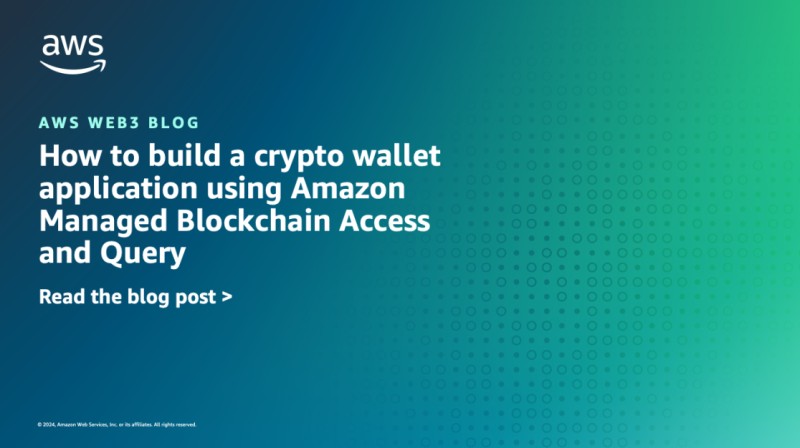
To hold or send tokens, you need a wallet. Building one used to mean running your own nodes. Now managed services offload that. You don’t need to search for a blockchain near me when you use a managed gateway. The best crypto application builders often use cloud tools for key management and data queries. Amazon Managed Blockchain gives access to Bitcoin and Ethereum nodes without the heavy lift.
Wallets let you check balance, list transactions, and see token holdings. They sign transactions with private keys. Secure storage like hardware modules keeps keys safe. This is practical for any project that wants users to interact with its token. You can build a wallet that checks balances via simple API calls, no node ops needed.
Learning Resources for Newcomers
The space is full of noise. A good start is the Library of Congress Fintech guide. It has a section on crypto and blockchain with links to government sources. For those who want the best blockchain certifications , know that self-study from trusted guides beats paid hype. I also like plain intros that explain what a blockchain does and how blockchain works in cryptocurrency without jargon.
If you want to try a token yourself, the Ethereum wallet lets you deploy a test contract in minutes. You set supply, name, symbol. Then you have your own crypto token. They can be used for local community trade, loyalty, or voting. That is the simple core of how do you create a cryptocurrency. Start small, learn the ropes, keep it secure. The barrier to make a token is low, but making one that matters takes real thought. I hope this calm breakdown helps you see the path.
Creating a cryptocurrency yourself does not require being a coder; you can use existing platforms or build from scratch, and you can keep your new coin secure with proper measures.
That bears repeating. The source said it clearly. You can use existing platforms or build from scratch. Either way, security is on you. Take the time to test, audit, and talk to users. That is how a regular person like me sees the job. Good luck if you try it.



Comments on “How Do You Create a Cryptocurrency Without Being a Tech Expert? A Clear, Calm Guide”
No comments yet. Be the first to share your thoughts.