How to Choose a US Based Crypto Wallet That Actually Fits Your Needs
What Is a US Based Crypto Wallet
You might wonder what a crypto wallet even is before choosing one. At its core, a wallet for cryptocurrency is a tool that safeguards your keys and lets you send or receive digital coins. When we talk about a US based crypto wallet, we mean one built by a US company or designed to comply with US regulations while serving people here. I like to picture it as a digital safe you control from your phone or computer.
The phrase us based crypto wallet tells you the focus is on options that fit US users. Some come from large payment firms in the states. Others are global yet still let you hold your own keys. The point is simple: you need a place to store coins without unnecessary friction.
Why I Care About Picking the Right One
I’m writing this as an ordinary person who has read far too many stories of lost funds. You want the safest and most straightforward crypto wallet you can find. A poor choice can mean a thief empties your account while you sleep. So I try to keep things simple and lean on real tests from security researchers.
And please, don’t skip the part about keys. If you lose your key or someone copies it, your money is gone. No bank will bail you out. That’s why I push for clear habits and plain steps.
Beginner's walkthrough of crypto wallet fundamentals
Stripe and Its US Wallet Tools
Stripe is a US based payments company. Its crypto offerings include a wallet, stablecoin issuance, and card features. They’ve also built a way for US businesses to accept stablecoin subscriptions with USDC on Base and Polygon chains. This shows that the best wallet available in the USA might be tied to a firm you already trust for payments.
Stripe created a smart contract that lets customers save a wallet as a payment method and approve recurring payments without signing each time. Over 400 wallets work with it. That’s a lot of choice for a US based crypto wallet setup if you run a shop.
We’re incredibly excited about rolling out stablecoin subscription payments with Stripe. Stablecoin payments help us reduce our cost of revenue for payments from all around the globe, attract more tech-forward users, and reach folks who don’t have access to other payment methods. - Alex Mashrabov, CEO, Higgsfield
But note that Stripe also serves businesses. As an individual, you might use a wallet that connects to Stripe checkout. The line between company tool and personal wallet blurs a bit. Still, it’s reassuring to know US firms are building these things.
Self Custody Choices for US Users
Some wallets let you hold your own keys. That’s called self-custody. A decentralized wallet for crypto means no single company controls your funds. Tangem is a Swiss firm making hardware wallets and non-custodial software. Trust Wallet is global with a self-custody emphasis. Both can be used in the US even if not based there.
Wallets I looked at
- Tangem hardware wallet and app for USDC via virtual Visa
- Trust Wallet with user controlled keys
- 1inch Wallet non custodial with built in token swaps
- Stripe crypto wallet tools for US payments
Each of these offers a different feel. Hardware is like a USB stick for coins. App-based is quick but relies on your phone. The crucial point is that you decide who holds the keys.
How Coinspect Ranks Wallet Safety
Coinspect is a security firm that built a wallet security ranking. They tested many browser and mobile wallets. Their work helps answer the question of which crypto wallets are best by examining real defenses against phishing. I find their method refreshingly straightforward: they run fake attacks and see if the wallet warns you.
They use a scoring system with weights for each check. Details like minimum password length and clear token-spend pop-ups matter. The ranking isn’t a perfect score, but it shows whether a vendor cares about user safety. Later tests covered over 70 wallets across editions.
Wallet security features are the first line of defense against phishing attacks, compromised dApps, and fraud. - Coinspect
The tests evolved from early Bitcoin key tools to modern web wallets. They even check dApp interaction via the wallet’s JavaScript API. That matters because malicious sites can talk to your wallet directly. A good rank means the wallet tries to block that.
Common Wallet Bugs to Know
One frightening bug type is silent crypto drains in browser wallets. Coinspect wrote about critical wallet bugs that let thieves take coins without a clear sign. This is why I insist on paying attention to wallet updates. A small hole can empty you out.
The attack surface grew from early Bitcoin key tools to web wallets that communicate with dApps. A standard called EIP-1193 lets web pages ping your wallet directly. Bad sites exploit that to trick you. Keep your wallet software fresh.
The Centralization Problem in Wallets
Here’s something most people miss. Many wallets claim to be decentralized but lean on central services. MetaMask calls Infura to read chain data. It calls Etherscan for balances and OpenSea for NFT images. Those replies aren’t signed or verified. That means a few large firms see a lot of your reads.
Central points to watch
- Infura handles most dApp node calls
- OpenSea API decides if an NFT shows in your wallet
- Etherscan used for transaction history
- Firebase used by some wallets for social bits
If OpenSea pulls an NFT, it vanishes from wallets because they rely on that API. That shows the system isn’t as peer-to-peer as we think. I’m not saying don’t use these wallets. Just know the weak spots.
Hardware versus software wallets for newcomers
Stablecoins and Your Wallet
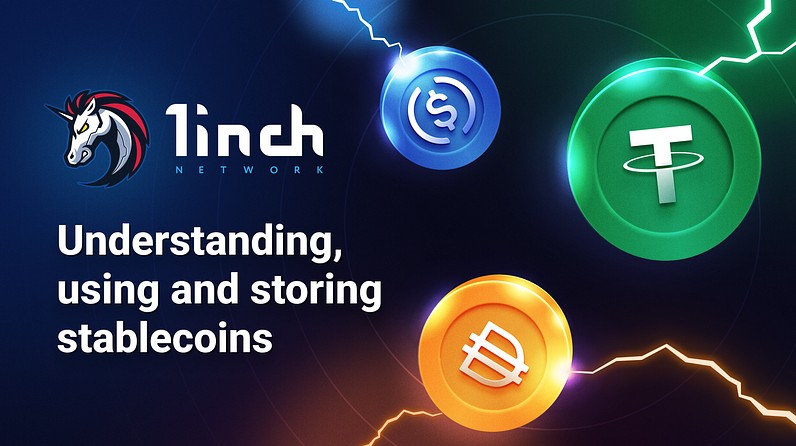
Stablecoins are tokens pinned to real assets like the US dollar. USDC and USDT are common. They live in your cryptocurrency wallet just like any coin. If you want to get your own crypto wallet for stablecoin savings, pick one that supports USDC on the chains you use.
1inch Wallet is non-custodial and lets you buy stablecoins with a bank card. It has a built-in swap across many networks. That’s a solid pick for a US based crypto wallet user who wants a simple stablecoin hold.
Stablecoins come in centralized and decentralized forms. Centralized ones hold fiat reserves. Decentralized ones use crypto locks. Your wallet should show which type you hold so you understand the risk.
Plain Steps to Set Up a Wallet
Setting up isn’t hard. First pick a wallet type. Then install from an official source. Write down your seed phrase on paper, not on your phone. That’s the master key.
My setup steps
- Choose a self custody or US firm wallet
- Download only from official site or app store
- Write seed phrase offline and hide it
- Turn on extra password or biometrics
After that, test with a tiny amount. Send a few cents to yourself. If that works, you’re good. Don’t rush the large funds in.
AI Helpers and Wallet Control
Trust Wallet launched a kit that lets AI agents act on crypto. It’s called TWAK. It has two modes. One gives the agent its own wallet with rules. The other connects to your own wallet and asks you to sign each move. This helps if you wonder which crypto wallet is best for hands-off tasks.
Your keys, your crypto. - Trust Wallet principle
The user-controlled mode is neat because the AI never holds your keys. Most other AI wallet tools make you move funds to them. That’s a big difference for safety. I like that they keep custody with you.
TWAK supports many chains and features like cross-chain swaps and recurring buys. That shows a us based crypto wallet or global one can blend AI with self-custody if built right.
Wallets for Trading Platforms
Some folks trade on big sites and ask about a wallet for Binance or KuCoin wallets . Those are often exchange-held wallets, not self-custody. A US based crypto wallet can also store coins you pull off those sites. I suggest moving long-term holds to your own wallet.
You don’t need to stick with one exchange wallet. The whole point of crypto is that you can take coins to a wallet you control. That cuts the risk of an exchange freeze.
Keeping Your Keys Safe Long Term
Long-term safety is about habits. Use a hardware wallet for large sums. Check wallet app permissions often. Revoke token approvals you no longer need.
Habits I keep
- Update wallet app every month
- Store seed in two physical spots
- Never type seed in a web page
- Use separate wallet for risky dApps
And watch out for fake support people. They will never ask for your seed. If someone does, it’s a scam. Simple as that.
What Stablecoins Are Made Of
Centralized stablecoins like USDC are backed by cash and treasuries. Decentralized ones like DAI use crypto as collateral. Knowing this helps you pick a us based crypto wallet that displays these assets clearly. Some wallets hide details, which is unhelpful.
USDC came from Circle and a consortium with Coinbase. It is regulated under US state law. That gives some comfort for US users. Tether is larger but its issuer is in Hong Kong. Your wallet should let you see which stablecoin you hold.
How Recurring Crypto Payments Work
Stripe solved a pain point where wallet owners must sign each transaction. They built a contract that lets you save a wallet as a payment method. Then recurring charges go through without per-sign. This is useful for subscriptions paid in USDC. It shows wallets can do more than one-off sends.
For an ordinary person, this means paying for a service with crypto could feel like using a card. The wallet still must support the feature. Over 400 wallets do with Stripe. That’s a wide net.
Step-by-step wallet setup with Tangem and Ledger
Tangem Hardware and Non Custodial Use
Tangem makes a hardware wallet and app. They do not hold your assets. They are Swiss, not US, but the tools work globally. Their Pay feature lets you use USDC with a virtual Visa in the app. That’s a neat bridge from crypto to normal spending.
Since they are non-custodial, you keep the keys. If you want a us based crypto wallet alternative that is still self-controlled, Tangem is an option while traveling in the states.
Trust Wallet Agent Kit Details
TWAK supports many chains-over 25. It does cross-chain swaps, recurring buys, limit orders, and risk scoring. Developers can set it up quickly. For users, the WalletConnect mode means an AI can propose but you approve. That keeps you in charge.
Later plans include a marketplace for agent strategies. The goal is to make Trust Wallet trusted infrastructure for AI and crypto. I think that’s a useful path if they keep user custody first.
Wallet Security Score Method
Coinspect uses gray-box tests with source code and black-box from the user’s view. They run a wizard and a test dApp that throws phishing scenarios. Average test per wallet is a few hours. This practical check beats a paper promise.
They weight checks by risk using a method called AHP. Basics like password length count. Phishing resistance stands as a proxy for overall care. So when you search for the best crypto wallets , look at such rankings.
Phishing and Approval Dialogs
A clear token-spend dialog is a must. If the wallet shows vague text, you might approve a drain. Good wallets make you see exactly what you sign. I always read the contract address and amount, even if small.
Bad dialogs led to silent drains noted by Coinspect. So a us based crypto wallet with plain warnings is worth more than a pretty app.
NFT Display Dependence
NFTs often just store a URL to art, not the art itself. Wallets show them via OpenSea API. If OpenSea pulls the item, it disappears from your wallet view. That proves the display is central even if the token is on chain.
This doesn’t mean your ownership vanishes, but the view does. A good us based crypto wallet should let you see raw token data, not just a third-party feed.
US Rules and Tap to Pay
A US payments firm announced contactless stablecoin payments using Tap to Pay software. This fits the trend of US firms bringing crypto to daily spending. Rules like the GENIUS Act shape how stablecoins work here. I’m not a lawyer, but it’s clear US based crypto wallet tools will follow local law.
That can be good for safety. A wallet tied to US rules may give you more recourse if something breaks. But always check who holds the keys.
Browser Extension Wallet Risks
Browser wallets talk to web pages through a standard API. That lets a bad site ask your wallet to sign something tricky. I keep a separate browser profile for crypto to cut that risk. A us based crypto wallet extension should warn you on each request.
The Coinspect tests show many popular wallets are not open source. That makes black-box testing key. You cannot check the code, so you trust the vendor’s UI to block scams.
Mobile Wallet Convenience
Phone wallets are handy for daily payments. You can scan a QR and send coins fast. But a phone can be lost or hacked. I use a PIN and fingerprint on mine. A safest and easiest crypto wallet for me is one that balances speed with a lock.
Many mobile wallets support USDC and other stablecoins. They also show price in USD. That helps you see value at a glance. Just remember the seed is still the boss.
Hardware Wallet Peace of Mind
A hardware wallet keeps keys off the net. Tangem and similar give a chip that signs offline. I sleep better with big sums on metal and plastic. It isn’t free, but the cost is small next to a drain.
You can pair hardware with a phone app. The app builds the tx, the chip signs. That’s a strong mix for a us based crypto wallet user who wants self-custody.
Token Approvals You Should Check
When you use a dApp, you often approve a token spend. That approval can stay open. Bad contracts use it to pull funds later. I check allowances in my wallet settings each month. A good us based crypto wallet shows these clearly.
Coinspect checks clarity of token-spend dialogs in their rank. If the wallet hides details, the score drops. So this small feature tells you a lot about care.
Comments on “How to Choose a US Based Crypto Wallet That Actually Fits Your Needs”
No comments yet. Be the first to share your thoughts.