
How to Choose the Best Wallet Coinbase Offers for Safe Crypto Storage

What the Best Wallet Coinbase Offers Truly Is
Some decisions about money feel heavier than they should. The best wallet Coinbase users can pick for safe crypto storage is one of them. Choosing the best wallet Coinbase trusts can feel strange at first - it certainly did for me when I first faced the options. The good news is you don’t need to be a crypto expert to find a fit that works for your day-to-day life.
The short version is this: Coinbase offers a few paths. There is the Coinbase Exchange, where they hold your keys for you. Then there is the self-custody app that later became Base App. And there are hardware devices you can link to that app for cold storage. My goal here is a calm breakdown of the top options so you can pick what fits your life.
If you’ve ever asked what a crypto wallet truly is , it’s simply a tool that keeps your private keys safe. A cryptocurrency wallet app or device holds the secret codes that prove your coins are yours. We’ll walk through hardware wallets, self-custodial apps, and the quiet discipline of safety so you can store crypto with more confidence and less stress.
I should say up front that the best wallet Coinbase offers depends on how much control you want. Some folks like the exchange because it’s easy. Others want their own keys. There is no single right answer - only what fits your routine and your peace of mind.
Base App Tutorial: Self-Custody Walkthrough
Coinbase Exchange Versus Coinbase Wallet: The Clear Split
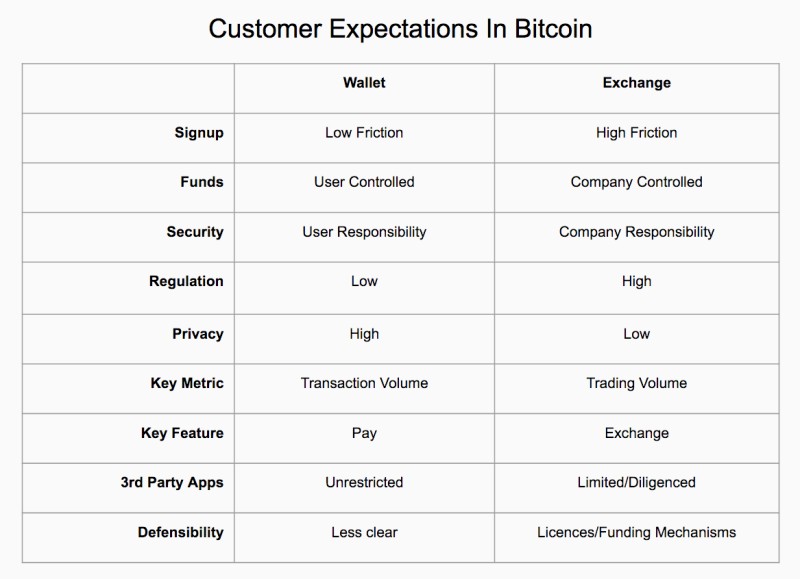
Long ago, Coinbase began with a simple goal: build an easy-to-use bitcoin wallet. But people loved buying and selling so much that most activity turned into investing. At one point they had helped millions convert billions of dollars in local cash to and from bitcoin, and they stored about ten percent of all bitcoin in circulation. That shows how large their custodial role grew.
They operated as a hybrid wallet and exchange for a while. This caused confusion because the brand did both jobs. A wallet is for daily spending with low friction, privacy, and innovative apps. An exchange is for turning government cash into bitcoin with rules and more friction. The Coinbase brand later shifted to focus on being a retail and institutional exchange, yet many still used it as a wallet on mobile stores.
The key split is custodial versus non-custodial. On the Exchange, Coinbase holds your private keys. With Coinbase Wallet, you hold them yourself. That makes the wallet non-custodial and removes counterparty risk. I like that clear line once you see it.
Wallets are for day-to-day spending with low friction, privacy, and innovative apps; exchanges are for converting government currency into bitcoin with regulatory compliance and higher friction.
So when you read about the best wallet Coinbase has, know there are two different products under one name. One is the trading platform. The other is the user-controlled app. They solve different problems, and you can use both if you wish.
The picture above helps show the divide. I kept coming back to it when explaining to a friend why leaving coins on the exchange is not the same as holding them in your own app.
The Quiet Difference Between Custodial and Non-Custodial
Let’s slow down here. If you read only one part of this whole post, make it this one. Custodial means a company keeps your keys. Non-custodial means you do. The best wallet Coinbase offers for control is the non-custodial one, now called Base App.
When you leave coins on the Exchange, professionals hold the keys. That can be handy for quick trades and tax tools. But if the company has issues, your access depends on them. With self-custody, you own the keys and bear the duty to keep them safe from loss or theft.
I think the quiet discipline of safety matters more than fancy features. You can store crypto with more confidence once you know who holds the keys. That’s the first step to less stress in this strange new money world.
One more note: a later note on an old post said the brand is now evolving from a brokerage into a more full-featured app that includes many aspects of a wallet or bank account. That matches what we see today with Base App. The line between exchange and wallet keeps shifting, but the key control question stays the same.
How Coinbase Wallet Became Base App

Coinbase Wallet debuted as a companion to the exchange. It first launched as Toshi in 2017, then rebranded to Coinbase Wallet in 2018. It was a hot wallet built for the Ethereum ecosystem at first. Later it was rebranded again as Base App, an everything app built on open protocols.
Existing users didn’t need to switch apps. Their wallets updated automatically to the new name and features. New users can download Base App on mobile or desktop and get the same wallet features plus deeper links to the Base Layer 2 blockchain. I think that smooth update is kind because nobody likes losing their setup.
If you want to install Coinbase Wallet , you now just grab Base App. It’s a free, non-custodial wallet from a U.S.-based crypto wallet maker. It comes as a mobile app and a browser extension for Chrome. The change of name does not change the core idea: you hold your keys.
Base App grew from a simple wallet into social features, apps, chat, payments, and trading. You can earn from content because every post is a coin powered by Zora. Creators can earn with no follower minimum or geo limits. You can watch friends trade, explore mini apps like games and prediction markets, and send money via NFC tap-to-pay USDC free in person. That’s a lot baked into one app.
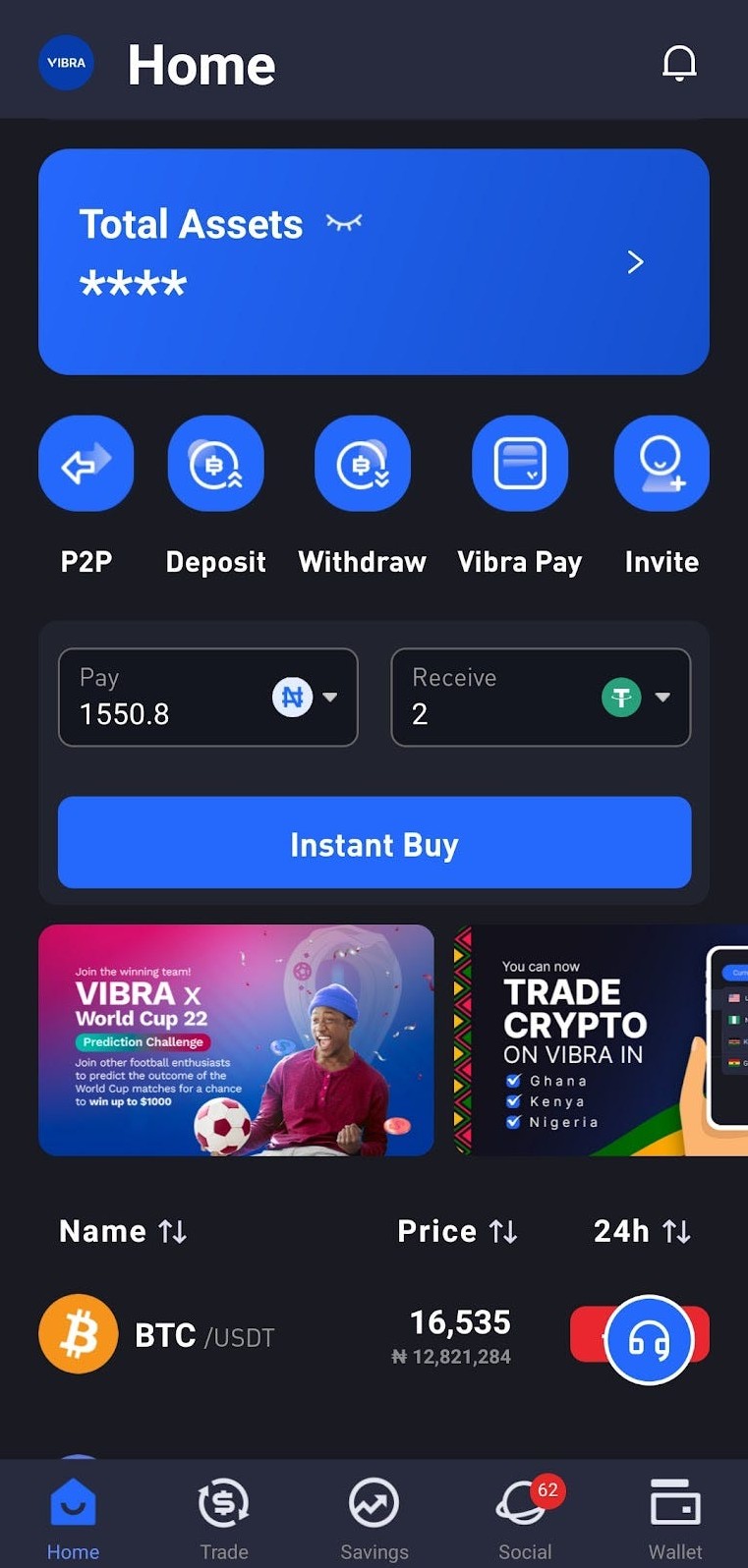
The shot above shows the kind of screen you get. It looks clean and simple, which helps newcomers. I appreciate when a crypto tool does not shout at you with clutter.
Coinbase vs Coinbase Wallet: Core Differences
Hot Wallet Features and the Coins It Supports
Base App is a hot wallet. That means the software stays online to function. It balances easy access with user ownership of private keys. It supports Ethereum Virtual Machine chains, Bitcoin, Solana, Dogecoin, Litecoin (BTC, DOGE, LTC via mobile app only), and tokens on EVM networks. It grew into a multi-chain wallet over time.
You can connect directly to Web3 platforms, trade tokens, manage NFTs, explore DeFi apps, and try Layer 2 networks. Buying crypto with fiat through bank transfers, debit cards, and credit cards is built in. Linking a Coinbase account enables quick transfers but is not required if you prefer to stay independent.
Security tools include manual locks, biometrics, permission tools, preview screens, and warnings for shady dApps and spam tokens. Encryption and optional cloud backup with recovery phrases are there. Up to 15 addresses for Ethereum and Solana can sit under one recovery phrase, which helps organize your holdings.
Coinbase Wallet Convenient Features
- Security: manual locks, biometrics, preview screens, and a warning system for suspicious dApps and spam tokens.
- Safety backup: encryption and optional cloud backup with recovery phrases you control.
- Multi-address: up to 15 addresses for ETH and Solana linked under one recovery phrase.
- Easy funding: transfer from Coinbase exchange or third-party apps, region specific.
The safest and easiest crypto wallet for a beginner might be this app because it links to the exchange and has clear warnings. But remember it’s hot, so online risks exist if you click bad links. Stay alert and use the lock features.
Base App also lets U.S. users earn up to 4.1% APY by holding USDC, though they must link a Coinbase account. Chat is end-to-end encrypted and can message AI agents. Base Account gives universal sign-in across apps and chains. Base Pay enables fast checkout with USDC and is integrated with Shopify. Those are extras, not core storage, but they show the app’s reach.
Hardware Wallets and the Calm of Cold Storage
Hardware wallets give offline protection. They look like small USB flash drives. They act as cold storage with no internet connection. They don’t store coins themselves; they hold the private keys that let you access your holdings on the blockchain. This adds security as long as you keep the device and passcodes safe.
I care about this for big amounts. The source says hardware is recommended for those with large amounts of various coins. It’s less susceptible to hacking but more complicated than hot wallets. A best crypto wallets list often puts cold storage at the top for safety because the keys never touch the web.
Coinbase notes only a tiny fraction of blockchain transactions are used for illicit activity, and cash remains the preferred medium for illicit deals. They keep a compliance program with KYC checks, sanctions screenings, and law enforcement partnerships. That context matters when you pick where to trade versus where to store.
The image above is a good visual for how to choose and use these devices. I saved a similar pic when I bought my first cold wallet because I didn’t want to mess up the setup.
Choosing a Safe Hardware Wallet
Trusted brands matter a lot here. Ledger works with Coinbase Wallet and is a common name. Tangem makes hardware and non-custodial software but is not a regulated financial service. They don’t hold your assets or control your transactions. Crypto services come from third parties. I’d buy direct from the maker to avoid any risk of tampered gear.
Tips For Choosing And Using Cold Wallets
- Buy directly from manufacturer or authorized dealer to avoid tampered devices.
- Check seller website quality and double check its URL before purchase.
- Use trusted wallet on private WiFi; best to use VPN on public WiFi.
- Keep recovery phrase written down in a safe place only you know.
- Before connecting hard wallet, find a tutorial video online for your model.
- Avoid linking wallet to any device or software not verified.
- Never use a wallet not authorized or purchased yourself; scammers send fake cold wallets.
Even best devices can be hacked. Never use wallet not authorized/purchased yourself.
That last point scares me a bit. Some scammers send counterfeit cold wallets to folks found in data breaches. Those steal assets once connected. So how to get a crypto wallet of your own safely is: buy from the source and never trust a device that arrives as a surprise gift.
When linking a Ledger to Coinbase Wallet, you connect with the mobile app or download the browser extension for Google Chrome. Find a tutorial first. The small step of watching a video saved me from a stupid mistake with cables and pins.
Coinbase Wallet Versus Trust Wallet
Trust Wallet is a major non-custodial wallet independent of a broad trading platform. It started in 2017 by Victor Radchenko and was acquired by Binance in 2018. If you need a wallet for the Binance ecosystem , Trust is that link. Coinbase Wallet is built by Coinbase and ties to its regulated platform with expert guidance.
Trust Wallet Features
- Works with 100+ blockchains, millions of tokens, NFTs, BTC, memecoins.
- Explore Web3 directly with built-in browser for dApps and swaps.
- Earn by staking BNB, ATOM straight from the app interface.
- Built-in security: private keys encrypted on phone, PIN or biometrics.
- Open source code with outside audits from the community.
Coinbase Wallet supports ETH, Solana, EVM tokens, plus BTC, DOGE, LTC on mobile. Trust supports a broader range with over 140 cryptocurrencies noted in FAQ. Fees differ: Coinbase may charge network fees and possible 1% on swaps via Coinbase for high volume tiers; Trust has network fees only. User experience: Coinbase intuitive for beginners; Trust mobile-first simple but takes a second to learn.
Coinbase Wallet is a self-custody wallet integrated into Coinbase's U.S.-regulated trading platform, giving private key control with expert guidance.
You can move assets from Trust to Coinbase Exchange by sending to a deposit address and matching the network to avoid extra fees. Both are non-custodial, so the big shared rule is: guard your recovery phrase no matter which one you open.
Base App Versus MetaMask
MetaMask is a self-custodial hot wallet with a fox mascot, launched 2016 by Consensys. It began as a browser extension for Ethereum, now has mobile apps. It supports EVM-compatible chains via Snaps plugins that expand beyond Ethereum. Base App (Coinbase Wallet) supports multi-chain with BTC, ETH, SOL, DOGE. MetaMask primarily ETH/EVM with Snaps for non-EVM.
Key Comparison Points
- Blockchain support: Base App multi-chain incl BTC; MetaMask primarily ETH/EVM.
- User interface: Base App beginner-friendly; MetaMask steeper learning curve.
- Hardware integration: Base App connects Ledger; MetaMask connects Ledger and Trezor.
- Recovery: both 12-word phrase; Base App adds passkeys and cloud backup.
- Unique: Base App links to exchange, USDC rewards; MetaMask gas fee control, card.
If you wonder which crypto wallet is truly best for clean UI and direct exchange link, Base App wins for many. MetaMask suits EVM customization and open-source fans. Both are hot wallets, so online caution applies and you should not keep huge savings in either one.
Some cryptos are not on Coinbase Wallet: Bitcoin Cash, Ethereum Classic, XRP were discontinued from support. MetaMask can handle many EVM tokens and more via plugins. Choose based on the coins you actually hold, not on which fox or which color you like.
2026 Guide: Exchange vs Wallet Decision Framework
Agentic Wallets for AI Agents
Coinbase rolled out Agentic Wallets. This is wallet infrastructure made for autonomous AI agents. It builds on the x402 protocol that processed many transactions, and earlier AgentKit. AI agents can hold funds, send payments, trade tokens, earn yield, and transact onchain with built-in security guardrails.
It supports EVM chains and Solana, with gasless transactions on Base Layer 2. A command-line interface lets you check an agent, fund wallets, and deploy skills. Smart security guardrails have programmable spending limits and session caps. Enclave isolation keeps private keys in secure Coinbase infrastructure, never exposed to the agent’s prompt or model.
Enables agents to rebalance yield automatically within set permissions.
This is new ground for the best wallet Coinbase linked products. I find it interesting but a bit sci-fi. If you run bots, the guardrails matter more than the hype. Set limits before you let any agent move coins.
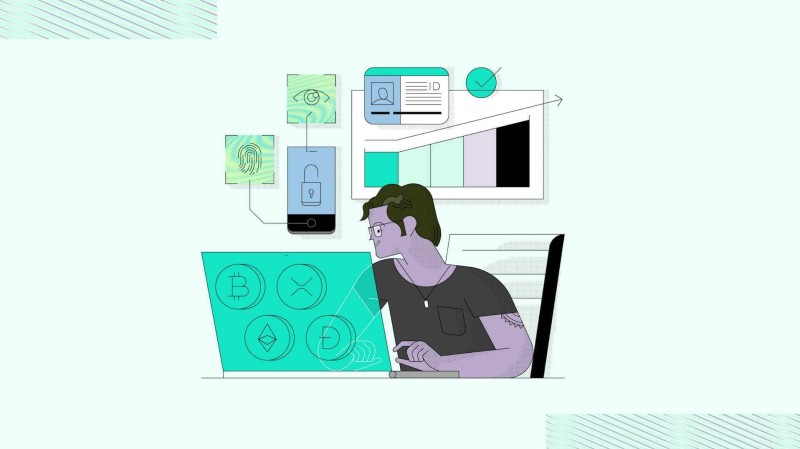
The pic above is from a news piece on crypto and AI. It reminds me that wallets keep expanding past human hands. Still, the basics of key safety stay the same even for machine agents.
Samsung Wallet and Coinbase One Access
Samsung Galaxy users in the U.S. can access Coinbase One inside the Samsung Wallet app. Coinbase One gives zero trading fees, boosted staking rewards, priority support, partner deals, and lost fund restoration if unauthorized third-party access occurs. U.S. users can use Samsung Pay to buy crypto; eligible U.S. and Canada can purchase with Samsung Pay.
More than 75 million people in the U.S. own Samsung Galaxy phones. The tie pairs global scale with a trusted platform for crypto access. It’s a neat way to explore crypto if you already carry that phone. This is not the core best wallet Coinbase app, but a membership access point that lives inside another wallet brand.
The photo above shows the Samsung and Coinbase link. I think it’s clever, but again, the place where you store long term should be separate from where you get perks.
General Wallet Safety Tips
Both software and hardware wallets need careful use. You choose your form of keys; keep them safe. I can’t say this enough: your recovery phrase is the master key that can rebuild your whole wallet if the device breaks.
General Safety Rules
- Use trusted wallet on private WiFi; VPN on public WiFi.
- Keep recovery phrase written down in a safe place only you know.
- Buy hardware from authorized seller; check URL quality.
- Avoid linking to unverified devices or software.
- Coinbase Wallet security includes manual locks, biometrics, warning for suspicious dApps.
- Hardware cold wallets less susceptible to hacking but more complicated.
- Non-custodial wallets give flexibility but responsibility to track keys.
Non-custodial wallets give flexibility and agency but responsibility to track private keys/recovery phrases; no approval process before trading like custodial wallets require.
Following these steps helps you store crypto with less stress. The the best crypto wallet in the USA is the one you actually protect well, not the one with the loudest ad. A quiet habit of checking links and backing up phrases beats any fancy feature.
Coinbase Wallet security includes manual locks and biometrics, plus a warning system for suspicious dApps and spam tokens. Use those warnings. If the app says a dApp looks shady, believe it. I once skipped a warning and got lucky, but I won’t do that again.
How to Pick What Fits Your Life
So how do you choose? If you want easy start and link to exchange, Base App (Coinbase Wallet) is solid. If you hold large sums, get a Ledger cold wallet. If you like Binance ecosystem, Trust Wallet fits. The best wallet Coinbase offers depends on your comfort with keys and your daily habits.
I’d say start with the app, learn the phrases, then move big savings to hardware. That’s the calm path. You don’t need to be expert, just consistent with safety. Write the seed phrase on paper, not in a screenshot.
Remember U.S.-based crypto wallet options like Coinbase give regulatory backing on the exchange side, but self-custody puts power in your hands. Weigh ease versus control and pick the mix that lets you sleep at night.
For daily spending and small holds, a hot wallet is fine. For vaulting, cold is king. The best wallet Coinbase users trust is often two tools used together, not one magic app.
My Take on the Best Wallet Coinbase Trusts
For me, the best wallet Coinbase users can trust is the one matching their daily need. The non-custodial Base App is great for everyday Web3 and small holds. Hardware is for vaulting bigger amounts. I like that Coinbase clearly split exchange and wallet now, even if the names shifted over time.
If you asked me which crypto wallet is truly best overall, I’d point to a mix: hot for use, cold for sleep-at-night. That’s my calm breakdown. Hope it helps you pick with confidence and less stress.
And hey, don’t skip the safety part. Write down that phrase. Your coins depend on it. The best wallet Coinbase gives you is only as safe as the human using it. Take care, keep learning, and you’ll be fine.
Comments on “How to Choose the Best Wallet Coinbase Offers for Safe Crypto Storage”
No comments yet. Be the first to share your thoughts.